
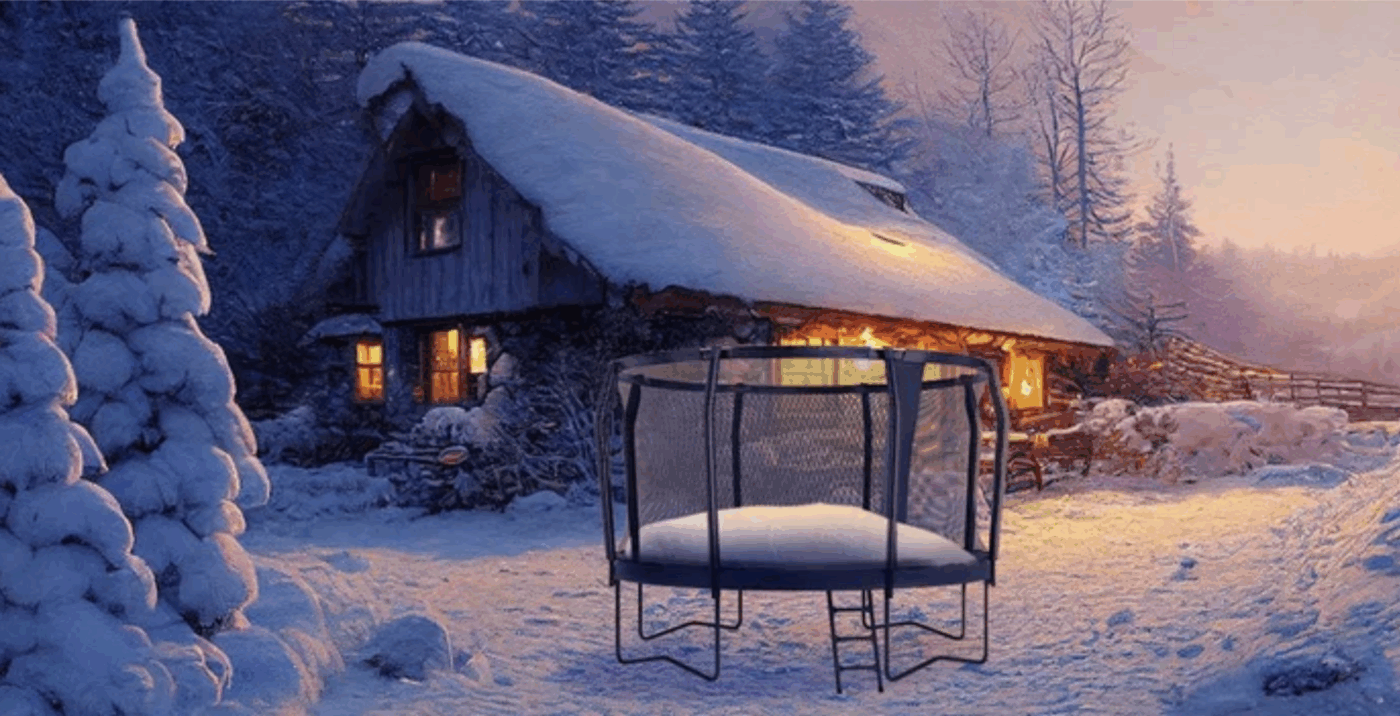
Winter is no joke when it comes to trampoline care. We’ve seen how snow, ice, and wind can turn a perfectly good trampoline into a backyard liability or worse, a twisted pile of rusted metal and torn mesh. Whether you’re facing lake-effect blizzards, dry cold snaps, or the dreaded freeze-thaw-repeat cycle, what you do with your trampoline during winter determines how well it performs and how long it lasts.
If you’re here, you’re probably asking: “Do I really have to take it down every year?” The answer is, not always. But if you want your trampoline to be safer, last for years, and not become a snow-covered eyesore or a flying hazard during a windstorm, IWe will show you how to handle it.
Can You Leave a Trampoline Out in Winter?
✅ Yes, but only if you do it right.
In fact, I’ve seen families leave their trampolines out year after year (even through brutal winters) with zero structural damage. But those outcomes are never by accident. They’re the result of good decisions, high-quality materials, and smart preparation.
1. Trampoline Quality Matters

Let’s start with what you’re working with. Not all trampolines are built to withstand harsh winter conditions. A budget model from a big box store, with lightweight springs and untreated steel, simply won’t hold up the way a premium-grade unit will.
AkrobatUSA design trampolines to endure, our frames are hot-dip galvanized inside and out, our jumping mats are engineered for drainage and airflow, and our materials resist UV and moisture degradation. That’s why we back our frames with a lifetime warranty. If you’ve invested in a trampoline built for year-round exposure, you’re already in a much stronger position
🛒Shop High Quality AkrobatUSA’s Trampolines → Find Your Best In-Ground Trampoline
2. Your Winter Climate Is a Deciding Factor
Live in a region that sees heavy snowfall, high winds, or frequent freeze-thaw cycles? Then the risks are higher. Snow accumulation can stretch or tear a mat. Repeated melting and freezing can create micro-damage inside fabric fibers. Strong gusts can turn an unanchored trampoline into a flying hazard and yes, I’ve seen trampolines become airborne and crash into fences, sheds, even rooftops.
But if you live in a milder area or you’re willing to clean, anchor, and inspect regularly, leaving the trampoline set up may be a reasonable option.
3. Storage Space & Personal Preference
Disassembling a trampoline isn’t anyone’s favorite weekend chore. If you have the garage space and don’t mind the work, taking it down is the most protective option. But if you prefer to keep it up or don’t have room to store the frame, winterizing it properly can be effective.
Many of our customers tell us they never disassemble their trampolines, even after decades, and have no issues. But they also take the time to clean it, protect it, and anchor it properly. That’s the difference between luck and preparation.
3 Smart Options for Winter Trampoline Care
No two backyards are alike and neither are trampolines. Whether you’re in northern Minnesota or coastal California, there’s a smart winter care plan that fits your situation. The key is matching your climate, trampoline build, and available space to the right level of maintenance.
Option 1: Leave It Outside and Winterize It
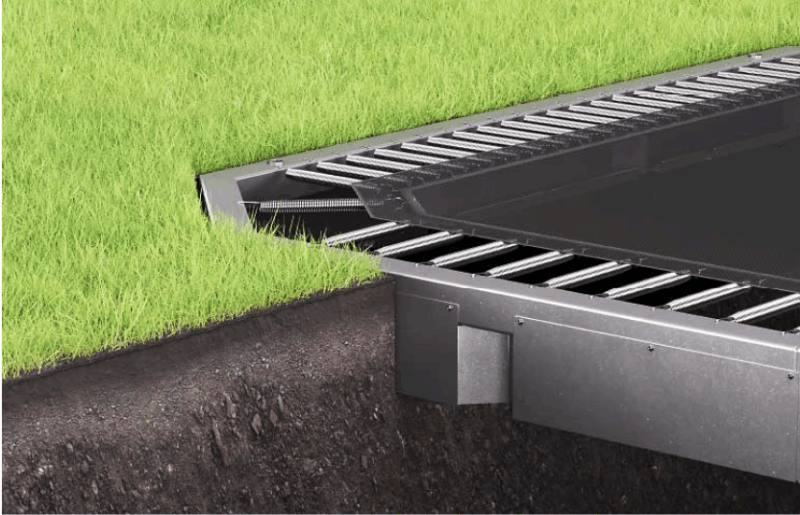
If you’ve invested in a high-quality trampoline, one with a galvanized or powder-coated frame, reinforced mat stitching, and good airflow, winterizing can be a smart, time-saving solution.
We’ve built Akrobat trampolines to endure this exact scenario. Our AkroVENT® jump mats allow for drainage and quick drying, and our hot-dip galvanized steel frames won’t flinch at frost. If you combine that kind of build with proper prep; removing soft components, anchoring the base, and clearing off snow, your trampoline can safely stay up all season long.
This option is best if:
- Your trampoline is built for durability
- You’re willing to put in the prep work
- You want to bounce again as soon as spring hits
Option 2: Partially Disassemble It
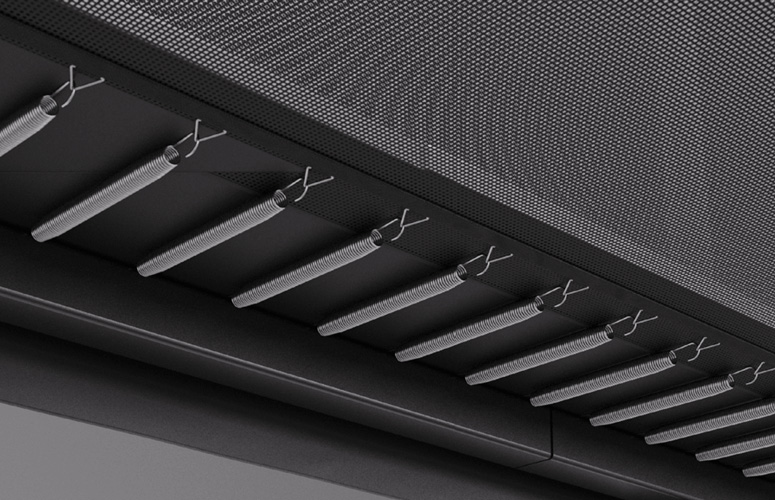
This is my personal favorite for families who want middle-ground maintenance with maximum payoff.
By removing just the mat and springs and storing them in a garage, shed, or even a closet. You eliminate the most vulnerable components while leaving the frame in place. It’s faster than a full teardown, less awkward to store, and still shields your trampoline from the worst of winter wear.
Here’s a bonus: some of our customers make this a family activity. Kids help brush snow off the frame, and you get peace of mind knowing the jump surface is safe and dry indoors.
This option is best if:
- You live in a moderate-to-heavy snow area
- You want to extend mat and spring life
- You want protection without a full teardown
🛒 Upgrade your trampoline or replace worn-out springs with AkrobatUSA’s trampoline replacement springs → Here
Option 3: Fully Disassemble and Store It
If your trampoline is older, lighter, or a budget model, or if you live somewhere that gets hit hard by snow, ice, and wind, full disassembly is the most protective move you can make.
Take it down on a dry day to avoid slipping or freezing joints. Store the mat, springs, pads, and netting in a clean, dry space. Garage storage works best, it prevents moisture, mildew, and rust while protecting elasticity in the mat and springs. Just make sure everything is dry before storing.
This option is best if:
- Your trampoline is showing signs of wear
- Your area gets heavy snow, high winds, or ice storms
- You want full protection with zero winter risk
How to Winterize a Trampoline (If Leaving It Outside)
If you’re planning to leave your trampoline set up through the winter and you’ve got a durable model with weather-resistant features, you’ll want to take a few critical steps to protect your equipment, your yard, and your peace of mind.
Winterizing a trampoline the right way doesn’t take much time, but it makes all the difference in preserving bounce quality, avoiding repairs, and preventing accidents.
Step 1: Remove Safety Netting
Start by taking down the safety enclosure net. Even weather-treated nets aren’t meant to handle freezing temperatures, heavy snow, or winter wind. Left up, they’re prone to:
- Fraying and discoloration
- Wind drag that can destabilize the frame
- Ice buildup that adds weight and tension to support poles
Removing the net takes minutes and extends its life by years. AkrobatUSA’s enclosures are designed for easy detachment, so you can easily remove and store them.
Step 2: Take Off Frame Pads
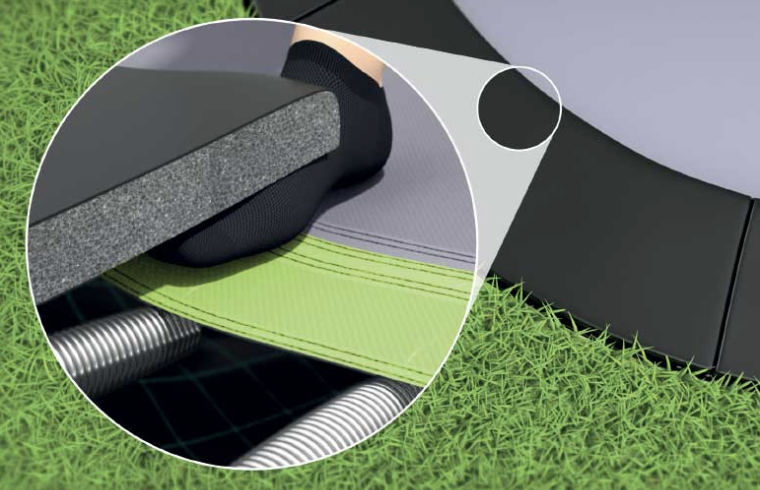
Next, remove the frame pads that cover your springs or rods. These are often made of foam and vinyl; two materials that soak up snow, trap moisture, and become breeding grounds for mold and mildew.
Even worse, frozen padding becomes brittle and can crack or tear when temperatures drop. Storing them in a dry, protected area will preserve their structure and appearance for next season.
Step 3: Clean Jump Mat and Frame
Now’s the time to give the jumping mat and frame a good cleaning. Debris left behind; leaves, sap, dirt, can mix with moisture and cause:
- Surface stains
- Material breakdown
- Mold growth
Use a mild soap and soft sponge or cloth, never harsh chemicals or abrasive brushes, which can damage UV coatings. Once clean, dry the surface completely. Trapped moisture is your enemy during freeze-thaw cycles, especially on cheaper mats.
Step 4: Lubricate Metal Springs
This step is often skipped, and it’s one of the most critical steps.
Apply a silicone-based lubricant to all exposed springs, hooks, and joints. This creates a water-repellent barrier that reduces the risk of rust and corrosion over the cold, wet months.
Many of our trampolines feature rust-resistant components but even then, a little silicone spray goes a long way. If you’re working with a standard spring system, this is an absolute must.
Step 5: Use a Breathable Trampoline Cover

Covers are great if used correctly.
Choose a weather-resistant cover that allows for airflow. It should keep out snow, leaves, and debris, but still allow moisture to escape. A tightly sealed cover traps humidity, encouraging mold and even ice buildup underneath.
Don’t leave the cover on all winter without checking it. Remove it every couple of weeks to shake off snow, let the mat breathe, and inspect the surface. Pro tip: covers make it easier to sweep off snow without damaging the mat underneath.
🛒Shop High Quality AkrobatUSA’s Trampoline Covers → protect your trampoline with extra protection against wear and tear.
Step 6: Brush Off Snow Regularly
Letting snow pile up is one of the fastest ways to damage a trampoline, even premium models.
Heavy accumulation stretches mats, stresses springs, and encourages moisture to work into the stitching. When that water freezes, it expands, which can cause micro-tears, sagging, or permanent warping.
Use a soft-bristle broom or a foam snow rake. Never use a shovel, especially one with a metal edge. One wrong move can rip the mat or damage the seams.
Step 7: Anchor the Trampoline
This one’s non-negotiable.
Wind is more dangerous than snow when it comes to winter trampoline damage. Unanchored trampolines can become airborne and I’m not exaggerating. I’ve seen them flipped into pools, wrapped around trees, and even launched into neighbor’s yards.
Use a ground anchor kit to secure each leg of the frame. Stake it down before the ground freezes, and you’ll sleep easier every time a winter storm rolls through.
When done right, winterizing isn’t just about damage control, it’s about maximizing the life of your trampoline. These small steps protect every major component: frame, mat, springs, and safety gear.
How to Protect Your Trampoline Investment This Winter
At the end of the day, protecting your trampoline through the winter comes down to smart choices, not just hard work. You don’t need to overthink it or break your back dragging steel frames across the yard. What you do need is a plan that fits your climate, the quality of your trampoline, and how much effort you’re willing to put in before the first big freeze.
If you live in a milder region and own a premium trampoline, like the ones we engineer, you can leave it outside all winter, as long as you prepare it properly. I can’t say this enough: wind does more damage than snow. One customer once said, “My trampoline turned into a UFO during a storm.” That happens when the trampoline isn’t anchored. Don’t let yours take flight.
If you’re in a heavier snow zone, or working with a lower-cost setup, partial or full disassembly might be the smarter move. And if you’ve got a garage or shed, storing your mat and springs indoors can add years to their life.
Whatever path you choose, know this: a little effort now prevents a lot of regret later. Whether it’s avoiding stretched mats, rusted springs, or busted frames, winter prep protects your investment, keeps your family safe, and ensures you’re ready to bounce the moment spring returns.
AkrobatUSA builds trampolines for every season, made to withstand temperatures from minus 40°F to plus 158°F and every kind of family. Because we’re not just here to sell you equipment. We’re here to help you do things the right way, with products that are safer, stronger, and longer-lasting than anything else on the market. You take care of your trampoline, and it will take care of your fun, for years to come.
Make every season a reason to jump. AkrobatUSA trampolines are built to last. [Find Yours Here]
