
What is Lymphedema? Lymphedema is a condition characterized by swelling, usually in the arms or legs, due to a buildup of lymph fluid. This occurs when the lymphatic system,which helps drain excess fluid from tissues, is damaged or blocked. While there’s no known cure, treatments can help manage symptoms and prevent complications.
Gentle trampolining can support lymphedema by boosting lymph flow, aiding drainage, and easing swelling. Bouncing helps circulation and mobility, eases swelling, and supports your overall well-being. This step-by-step guide explains the benefits, and gives the best tips.
Research and real-world results show that the rhythmic motion of bouncing opens and closes the body’s lymphatic valves, helping your system drain excess fluid more effectively than walking or jogging.
Not every trampoline is built the same. Akrobat is proud to offer trampolines designed for joint-friendly, low-impact rebounding. Our in-ground and above-ground options feature our AkroVENT® mat technology, robust frames, and our controlled bounce systems, making it easier for you or your loved ones to rebound confidently.
If you’re looking for a way to manage lymphedema at home, an Akrobat trampoline can be a supportive part of your wellness routine.
If you want to know how to use trampolining step by step for better lymphatic health, keep reading. We’ll break down what to expect, who should rebound, and why the right equipment matters.
What Is Lymphedema and How Does the Lymphatic System Work?
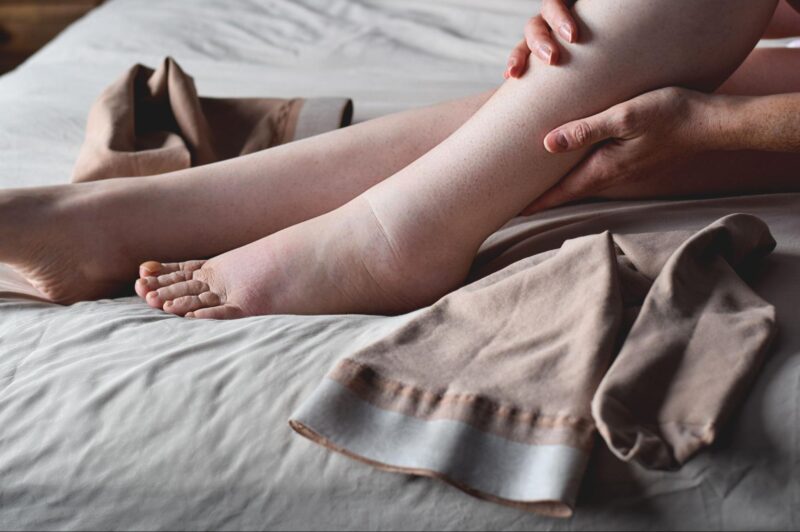
Lymphedema is a condition in which excess lymph fluid accumulates, often causing uncomfortable swelling in the arms, legs, or other parts of the body. The lymphatic system itself is a network of vessels and nodes that move this fluid, remove waste, and help your body fight infection.
Unlike your heart, which pumps blood automatically, the lymph system relies on muscle movement to keep fluid flowing. Without regular, gentle motion, fluid can pool, leading to swelling, stiffness, and discomfort.
Daily activities like walking, stretching, and rebounding can make a difference. Give your body the rhythmic up-and-down motion that naturally encourages fluid movement.
How Trampolining Supports Lymphatic Drainage
The simple act of bouncing on a trampoline opens and closes the tiny one-way valves in your lymphatic system, creating a pumping effect that helps drain trapped fluid. Research suggests this gentle motion can boost lymph flow by up to 15 times more than normal walking.
A NASA study on rebounding found that bouncing on a trampoline is 68% more efficient than running in terms of stimulating circulation and cellular detoxification, which is why many people managing lymphedema find consistent trampolining to be so helpful.
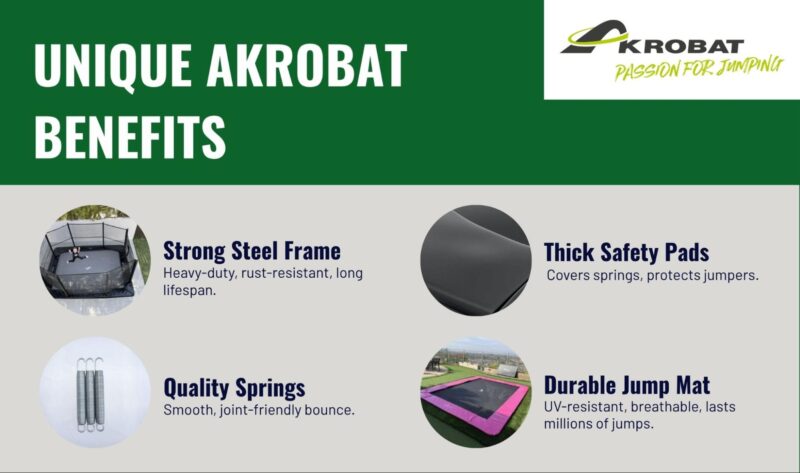
Unlike high-impact jumping jacks or hard pavement runs, bouncing on an Akrobat trampoline stays joint-friendly thanks to our AkroSPRING® system and softer AkroVENT® mat, both of which absorb impact and create a smooth, stable bounce.
Who Should Try Trampolining for Lymphedema?
If you’re managing lymphedema, you already know everybody is different. Not everyone should bounce, but for many, gentle rebounding is a smart, joint-friendly way to help fluid move.
Always check with your healthcare provider first, especially if you’re in stage 2 or 3, have advanced swelling, or limited mobility.
If you’ve been cleared, start slow. Many people wear compression garments while bouncing to help guide fluid back through the lymphatic system. Children with mild primary lymphedema may also benefit, but adult supervision and the right trampoline are essential.
In-ground trampolines from Akrobat make it easier for beginners, older adults, or those with balance limitations to feel more stable with every bounce. If your doctor advises against rebounding, stick to other gentle movements like walking or swimming instead.
Getting Started: Best Tips
If you’re new to rebounding for lymphatic drainage, consistency beats intensity every time. Start with short sessions: just 3 to 10 minutes, 3 to 5 times per week. Keep your feet low to the mat and focus on steady, rhythmic bounces; there is no need for high jumps.
Hydration is a must. Drink plenty of water before and after to help your body flush out waste. Use compression sleeves if recommended by your doctor. And remember, bouncing is only part of a bigger picture; deep breathing, stretching, and rest all help your lymph system do its job.
Akrobat trampolines are built for ease. Our in-ground designs provide a stable, flush-to-ground surface that minimizes trips and falls. Akrobat’s tool-free assembly means you can spend less time setting up and more time caring for your health.
Best Trampoline Features for Lymphedema Patients
Not all trampolines are created equal. For people managing swelling, stability is non-negotiable. That’s another area where Akrobat shines. Our heavier frames help prevent tipping and keep the bounce smooth and controlled, essential when balance is an issue.
The AkroSPRING® system provides gentle, even tension so each bounce stays joint-friendly. The AkroVENT® mat improves airflow underfoot, absorbing impact and delivering a softer, less jarring experience that’s kinder to inflamed tissues.
Non-toxic, certified materials mean you’re not exposed to harsh chemicals, which is especially reassuring for anyone with a compromised immune system.
Beyond Bouncing: Additional Exercises and Smart Tips
Trampolining is a powerful tool for supporting lymph flow, but it works best as part of a well-rounded routine. Walking, swimming, and gentle yoga stretches done right on your Akrobat trampoline can help you build strength and flexibility without overstressing your joints.
Many people ask whether jumping jacks help the lymphatic system. While they do get you moving, they’re often too jarring for those with lymphedema. Gentle bouncing delivers the same up-and-down motion without the hard impact, making it a better choice for fluid movement.
For added benefit, pair your sessions with light lymphatic drainage massage, another simple way to help your body clear out waste. Small changes make a big difference when you commit to them daily, and Akrobat’s durable, weatherproof design makes it easier to stick with your routine, rain or shine.
FAQs: Your Top Questions Answered
- Is trampoline exercise good for lymphedema? When done with care, yes, gentle rebounding can boost lymph flow, ease swelling, and support immune function without harsh impact on joints.
- How long should I jump on a trampoline for drainage? Aim for 3–10 minutes per session, 3–5 times per week. Keep your movements light and rhythmic; you don’t need high bounces to see results.
- Should kids with primary lymphedema bounce, too? Kids can benefit when cleared by their doctor.
- Is rebounding possible for people with knee or hip replacements? It depends on your situation; always get medical clearance. Akrobat’s smooth AkroSPRING® system and softer mat make bouncing easier on sensitive joints.
- What’s better for lymph flow: trampoline or walking? Both help, but gentle bouncing opens and closes the lymph valves more effectively, giving your body a stronger pumping action than flat walking.
- Do I need to wear compression garments while bouncing? Many people do. Discuss with your doctor whether added support could help your lymph flow stay on track during sessions.
- Are there side effects to trampolining? Most people tolerate light rebounding well. Pushing too hard, bouncing too long, or skipping hydration may cause fluid to shift or pool elsewhere, so start slow and stay consistent.
Addressing Real Worries, One Bounce at a Time
We know some people fear that bouncing could make swelling worse or put stress on their bodies. The truth is that a low-impact routine helps your lymphatic system drain waste more effectively, but rushing it can have the opposite effect.
There’s also concern about falling off. That’s why Akrobat’s in-ground designs and heavy frames lower tipping risks associated with other trampolines and offer a secure and stable base. Worried about hurting your joints? Akrobat’s premium padding, enclosed springs, and soft bounce all help protect your knees, ankles, and hips.
Remember, rebounding is a supportive tool; it won’t replace medical therapy or professional massage, but it works beautifully alongside other self-care habits to help you feel more like yourself again.
Your Next Step with Akrobat
Managing lymphedema can feel overwhelming, but you don’t have to do it alone or struggle through it. Daily, gentle motion is proven to help.
A trampoline from Akrobat gives you a more stable way to stay active without punishing your joints or worrying about sudden slips.
We stand behind every feature, from our AkroVENT® mat that delivers softer, more comfortable bounces, to our tool-free AkroCLICK® assembly that keeps things simple. Everything we engineer has one goal: to help you move with more confidence, ease, and fun.
When you’re managing lymphedema, it’s not just about buying a trampoline; it’s about investing in a way to care for your body, your mind, and your peace of mind every single day.
Ready to start?