
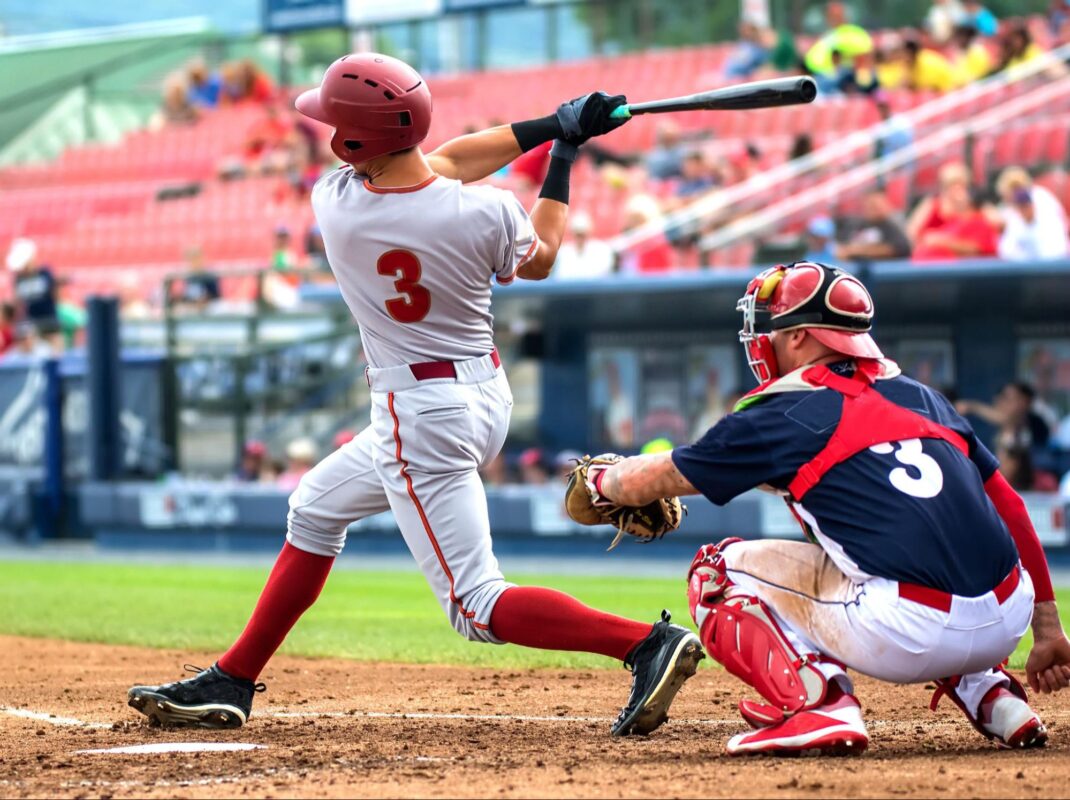
Trampolining is excellent for baseball players. It improves agility, core strength, and reaction time. Ten minutes of trampoline jumping equals 30 minutes of running.
The “trampoline effect” in baseball refers to bat flex and energy transfer. More players at all levels, from Little League to professional rosters, are integrating trampolining into their routines for its dynamic combination of strength, agility, and recovery benefits. Below, learn key workouts and tips.
In this article, we’ll cover the specific ways trampolining improves baseball performance, outline practical exercises to incorporate, and address some common concerns and questions parents, coaches, and athletes may have.
Why Baseball Players Should Use Trampolines
Agility and Quickness
On the field, reacting to a fast-moving ball or adjusting positioning is non-negotiable. Trampolining sharpens rapid directional changes by constantly forcing athletes to recalibrate their center of gravity with every bounce.
Core Strength and Stability
Every explosive movement in baseball, be it a powerful swing or a long throw, relies on core stability. The inherent instability of the trampoline surface makes the core work overtime, developing rotational strength that directly translates to batting and throwing power.
Low-Impact Conditioning
Unlike running on pavement or repetitive plyometric drills on hard surfaces, trampolining offers a joint-friendly alternative. It provides cardiovascular conditioning while mitigating strain on the knees, ankles, and hips, a critical advantage for players with high-impact workloads like catchers and pitchers.
Proprioception and Balance
Fielding a grounder or tracking a fly ball requires precise body awareness and balance. Trampolining enhances proprioception by demanding continual adjustments to maintain control on an unstable surface, refining those micro-adjustments essential in baseball.
Explosiveness
Jump routines on trampolines build lower-body power, fueling sprint speed for base running and enhancing the explosive strength needed for batting. The ability to push off and change directions quickly is amplified through controlled, repetitive trampoline drills.
Mental and Physical Endurance
Beyond physical attributes, trampolining elevates cardiovascular endurance without the stress of traditional running. This low-impact conditioning prepares players to maintain peak performance across long practices and late-game scenarios.
Moreover, sustaining coordination while fatigued is a game-changer, trampolining trains athletes to keep their form and reaction time sharp even under fatigue, simulating real-game conditions where focus often falters.
How to Integrate Trampolining Into Baseball Training
-
Frequency and Duration
For baseball athletes, trampolining works best when incorporated into a regular training schedule. We recommend 2 to 3 sessions per week, with each session lasting 10 to 20 minutes. This frequency is enough to yield performance improvements while allowing recovery and preventing overuse.
-
Choosing the Right Trampoline
Look for models with ample padding, sturdy enclosures, and superior build quality, features all standard in Akrobat products. Additionally, consider the size of the trampoline. Smaller sizes are ideal for agility drills in tight spaces, while larger models accommodate more dynamic strength and conditioning routines.
-
Supervision and Coaching
Coaches or knowledgeable adults should oversee trampoline sessions, ensuring exercises align with athletic goals and that movements are performed safely. Unsupervised risky maneuvers increase injury risk and undermine skill development.
Building a Structured Routine
For baseball-specific conditioning, these exercises should be structured progressively:
- Warm-up: Gentle bounces, dynamic stretches (5 minutes)
- Skill Work: Rotational jumps, single-leg hops, mirror drills (10 minutes)
- Strength and Conditioning: Depth drops, planks, sit-throughs (10 minutes)
- Cooldown: Light bouncing and static stretching (5 minutes)
The key is balancing technical precision with athletic creativity. As with all training, progression should match the athlete’s skill level and physical maturity.
Essential Trampoline Exercises for Baseball Players
Warm-Up and Mobility
Begin with gentle bouncing to activate major muscle groups and lubricate joints, followed by dynamic stretches, leg swings, torso rotations, directly on the mat. This primes the body for more intense activity while reinforcing balance.
Agility and Speed Drills
- Lateral Bounds: Jump side-to-side across the trampoline’s centerline, simulating the quick lateral movements in fielding plays.
- Sprint Simulations: Perform short, controlled sprints from one edge of the trampoline to the other, emphasizing explosive starts akin to stealing bases.
Strength and Conditioning
- Squat Jumps: From a squat position, jump vertically and land softly, enhancing leg drive and explosive strength.
- Core Stabilization Holds: Balance on one leg or perform planks on the unstable surface to fortify core muscles critical for athletic movements.
Reaction Time Training
- Partner Tosses: Have a partner throw a ball while you bounce, catching and returning it mid-air to sharpen reaction time and hand-eye coordination.
- Quick Feet Drills: Practice rapid, controlled foot taps across the trampoline to mimic quick base-stealing starts and defensive adjustments.
What Are the Best Workouts for Baseball Players on a Trampoline?
To make the most of trampolining for baseball training, we recommend:
- Plyometric Jumps: Build explosive leg power necessary for sprinting and hitting.
- Lateral Hops: Mimic fielding footwork, improving agility and reaction speed.
- Core Twists: Develop rotational strength vital for both hitting power and throwing mechanics.
Advanced Strength and Power Exercises
1. Single-Leg Hops
Stand on one leg and perform controlled hops across the trampoline’s surface. This improves unilateral leg strength, balance, and ankle stability, crucial for sudden directional changes when fielding grounders or sprinting bases.
2. Depth Drops to Explosive Jumps
Start from a seated position on the trampoline, then roll to standing and immediately explode upward into a vertical jump. This sequence builds explosive leg power and teaches rapid force production from a low or compromised stance, much like reacting to a bunt or bad hop.
3. Rotational Jumps
Perform quarter, half, or full 360-degree jumps. Land softly and under control. This enhances rotational strength and balance, improving swing mechanics and body control when pivoting or turning double plays.
Agility and Reaction Time Enhancements
4. Mirror Drills with a Partner
Stand on the trampoline opposite a partner who performs random movements, jumps, shifts, or quick lateral moves. The athlete must mirror these actions instantly. This sharpens reaction speed and mimics game scenarios where players must read and respond to unpredictable plays.
5. Multi-Directional Quick Steps
Mark four points on the trampoline in a square pattern. Rapidly step or hop from point to point in random sequences. This promotes foot speed, agility, and neural responsiveness, translating to better defensive range.
Coordination and Core Mastery
6. Sit-Throughs
Starting from a seated position, rotate your body into a prone plank and back without using hands for assistance. This challenges core control, shoulder stability, and fluid movement transitions, supporting the complex full-body motions involved in throwing and swinging.
7. Plank Variations
Hold standard planks, side planks, or perform mountain climbers on the unstable surface. These progressions enhance core endurance, shoulder stability, and overall coordination necessary for sustained high-level play.
Playful Tricks That Build Athletic Confidence
8. Tuck Jumps
While airborne, pull your knees to your chest before extending for a controlled landing. This builds vertical explosiveness and mid-air body control, helping with jumping plays like snagging line drives.
9. Pike Jumps
Kick both legs straight out in front of you while airborne and reach for your toes. This promotes hamstring flexibility, core engagement, and spatial awareness, all vital for fielding and base running mechanics.
10. Seat Drops and Recoveries
Drop into a seated position, then use your momentum to bounce back to standing. This drill refines reactive strength and balance while training the ability to recover quickly from non-ideal positions, mirroring real-game situations where players must react after diving or slipping.
Unique Advantages of Trampolining Beyond Standard Conditioning
Kinesthetic Awareness Development
Baseball demands precision in unpredictable environments, whether adjusting for a tricky hop or pivoting to make a double play. Trampolining naturally fosters kinesthetic awareness by requiring athletes to constantly monitor and control their body position in mid-air and on an unstable surface. This sharpened self-awareness seamlessly translates to improved movement efficiency on the diamond.
Improved Spatial Awareness
The enhanced spatial awareness developed on a trampoline aids players in tracking fly balls with greater precision. Navigating a trampoline’s vertical space cultivates better judgment of distance and timing, two critical skills for outfielders and infielders alike.
Safe Rehabilitation Platform
Trampolines provide a uniquely low-impact environment, ideal for athletes recovering from injury. For baseball players returning from conditions like ankle sprains or muscle strains, trampolining allows for gradual reintroduction to dynamic movement without overstressing vulnerable joints.
Fun and Mental Engagement
Conditioning can often become monotonous. Trampolining changes that. It transforms traditional training into a playful, engaging experience, promoting consistency and enthusiasm. This variety helps reduce the risk of burnout, especially for younger athletes who may otherwise disengage from rigid, repetitive training routines.
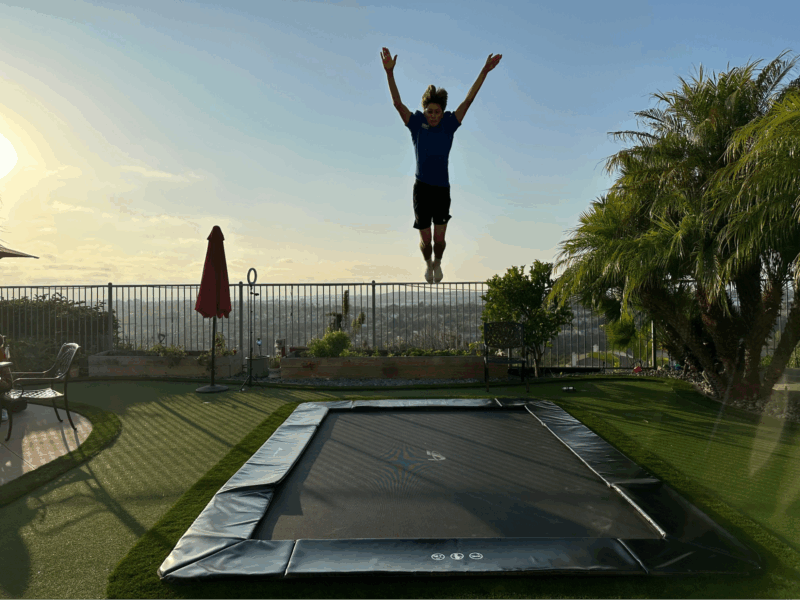
Insights from Players
Trampoline Parks and Dodgeball for Skill Transfer
These unstructured games enhance reaction time and spatial awareness, simulating the split-second decision-making required in fielding plays and base running.
Parents Report Increased Endurance
Repeated anecdotal reports highlight how regular trampoline sessions build lower-body endurance. Many young players “gas out” quickly during these sessions, a sign of effective conditioning that translates to improved stamina on game days, especially during doubleheaders or extended practices.
Developing Confidence in Aerial Movements
For many athletes, aerial confidence can be a barrier to making aggressive defensive plays. Practicing jumps, flips, and rapid changes of direction on a trampoline helps players become comfortable with airborne movements, making diving catches or leaping for line drives feel more natural and instinctive on the field.
Should Baseball Players Use Trampolines?
The answer is clear, trampolining is a powerful addition to any baseball player’s training regimen. It enhances agility, builds functional strength, improves conditioning, and aids injury prevention, all while offering a low-impact alternative to traditional exercises.
That said, trampolining should always be combined with sport-specific practice to refine hitting, fielding, and throwing skills. When structured and supervised properly, trampoline training not only complements technical development but also reduces injury risks associated with improper use.
Ready to Upgrade Your Baseball Training?
Baseball athletes need more than just batting cages and weight rooms, they need conditioning tools that build agility, strength, and endurance safely and effectively. That’s exactly where Akrobat comes in.
At AkrobatUSA, we offer:
- Professional-grade in-ground and above-ground trampolines: Designed for performance and safety, ideal for serious athletes and families alike.
- AkroSPRING® technology: For smoother, joint-friendly bounces that protect growing athletes while enhancing power and coordination.
- Durable, weather-resistant construction: Built to withstand years of training, even in the toughest environments.
Elevate your training today 👉 Explore Our Trampolines Now
