
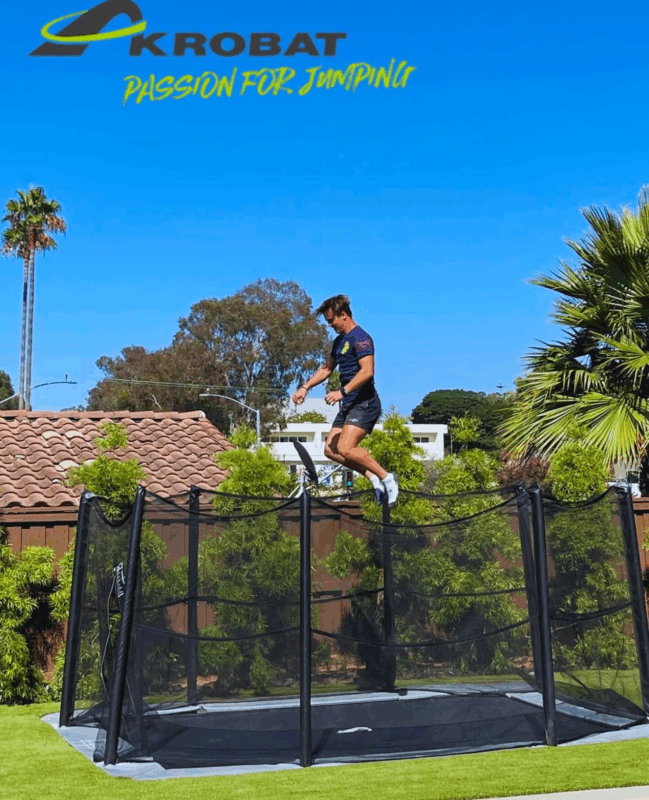
Trampolining is a great exercise for bad knees. It reduces joint impact by up to 80% compared to running. This low-impact, joint-friendly exercise strengthens muscles, improves balance, and supports knee health safely.
Trampolining involves performing controlled movements on a trampoline, using its elastic surface to minimize joint strain.
While many associate trampolining with acrobatic tricks or competitive routines, it can also serve as a low-impact, joint-friendly activity. When practiced responsibly, especially on well-designed trampolines, trampolining can provide significant health benefits for people with weak knees.
The key advantage is the trampoline’s elastic surface, which absorbs much of the impact that would otherwise stress knee joints during conventional exercises like running or jumping on hard ground.
In addition, trampolining strengthens the muscles and ligaments that support the knee, providing greater joint stability over time.
This article explores how trampolining supports knee health. We’ll cover:
- How trampolining strengthens joints and muscles
- Improvements in balance, coordination, and mobility
- Key cardiovascular and systemic health benefits
- Common questions and safety considerations for individuals with weak knees
By the end, you’ll know how to safely incorporate trampolining into your lifestyle.
Why Trampolining Is a Game-Changer for Knee Health
Low-Impact, High-Reward: Protecting Your Knees
One of the primary reasons trampolining benefits those with weak knees is its low-impact nature. The trampoline’s elastic mat reduces joint stress by up to 80% compared to running on hard surfaces.
This shock-absorbing capability dramatically minimizes strain on knee joints during movement.
For anyone wondering, “Is jumping good for knee pain?”, the answer is: yes, when done on a trampoline that distributes force evenly.
Controlled, low-intensity movements on a quality trampoline reduce pain and enhance mobility, making trampolining a safer alternative to high-impact workouts like HIIT or plyometric exercises.
Strengthens Muscles Supporting Your Knees
Trampolining is not limited to cardio. It’s a comprehensive full-body workout that naturally strengthens the muscles and ligaments around the knees.
Regular use engages the calves, quadriceps, hamstrings, and stabilizing ligaments, all of which form a protective network around the knee joint.
Improving muscle strength around the knee enhances joint stability, reduces injury risk, and supports long-term knee function. For individuals recovering from knee injuries or managing chronic conditions like arthritis, trampolining on a safe, high-quality surface offers an effective means of strengthening without overloading the joint.
Health Benefits of Trampolining for Weak Knees
Trampolining offers impressive cardiovascular benefits without the harsh joint strain typical of running or other aerobic activities. In fact, 10 minutes of moderate trampolining can offer cardiovascular benefits comparable to 30 minutes of running.
The elastic mat ensures that each jump or movement is gentle on the knees, making it ideal for those seeking an efficient, joint-friendly workout.
Improves Balance, Coordination, and Functional Mobility
The nature of trampolining automatically enhances proprioception, your body’s ability to perceive its position and movement. This is especially valuable for people with weak knees, as better proprioception reduces the risk of falls and helps maintain functional mobility.
For older adults or those recovering from knee injuries, trampolining provides a safe, controlled
Boosts Lymphatic Function and Reduces Inflammation
The gentle, rhythmic motion of trampolining stimulates lymphatic circulation. This often-overlooked system plays a crucial role in flushing toxins and managing inflammation, two factors closely linked to joint health and knee pain.
By promoting better lymphatic flow, regular trampolining can help reduce swelling and systemic inflammation, offering additional support for those managing knee discomfort or recovering from injuries.
Supports Bone Density and Joint Lubrication
The controlled, repetitive impact of trampolining encourages bone growth, making it an effective activity for maintaining bone density, especially important for aging populations at risk of osteoporosis.
Additionally, the rhythmic movement helps promote the circulation of synovial fluid within the knee joint, enhancing lubrication and reducing stiffness.
Together, these effects support long-term joint health and mobility, making trampolining an excellent preventive and therapeutic activity for those with weak knees.

What Users With Knee Issues Say
For individuals with weak knees, beginning trampolining should prioritize safety and control. On full-sized trampolines, low-intensity movements such as gentle bounces with bent knees are an effective and accessible starting point.
By avoiding excessive jumping and focusing on small, controlled movements, users can minimize joint strain while still benefiting from muscular engagement and cardiovascular activity.
Step-by-step for starting safely:
- Stand with knees slightly bent: Maintain soft knees to absorb any movement without locking joints.
- Gently press into the mat: Use controlled, subtle movements rather than full jumps.
- Focus on posture and alignment: Keep your core engaged and shoulders relaxed.
- Gradually increase duration: Begin with short sessions and build as comfort and strength improve.
Spring vs. Modern Suspension Systems: What’s Best for Bad Knees?
When considering the best trampoline equipment for knee comfort, the choice between spring systems and modern suspension technologies is significant. Akrobat uses advanced AkroSPRING® systems and high-quality mats designed for optimal bounce control and joint protection.
Key considerations:
- Modern suspension offers smoother, more consistent rebound, reducing jarring impact on the knees.
- Traditional springs can create uneven tension and higher impact, which may be less suitable for those with joint sensitivity.
- Mat quality is critical: Akrobat mats provide enhanced airflow and grip, promoting safe and stable landings.
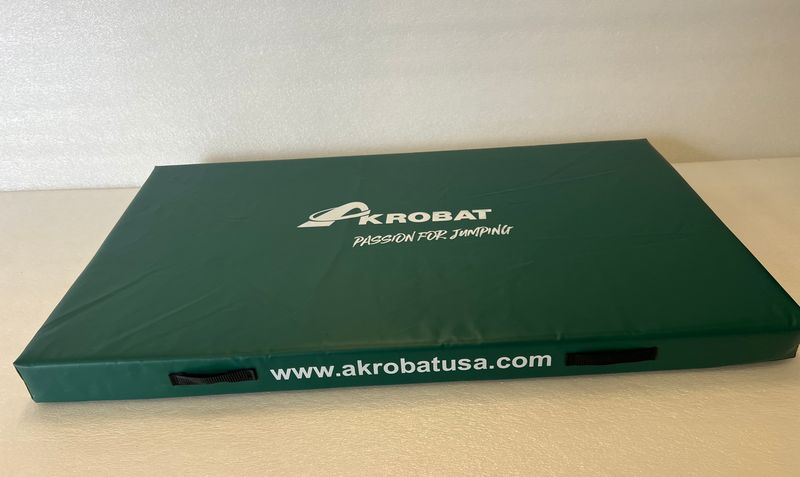
Many individuals with knee issues have shared how outdoor trampolining helped them overcome fear of movement and regain mobility. Engaging with controlled trampoline activities fosters not only physical rehabilitation but also emotional resilience.
Benefits users experience:
- The ability to engage in low-impact exercise without exacerbating knee pain.
- A safe, enjoyable outlet for outdoor activity and stress relief.
- Increased confidence as mobility and strength improve through consistent use.
Trampolining transitions from being just a recreational tool to a meaningful pathway toward renewed independence, joint health, and overall well-being.
Addressing Common Concerns About Trampolining with Weak Knees
Will Trampolining Worsen My Knee Pain?
No, trampolining does not inherently worsen knee pain when approached with care. The key is progressing gradually and focusing on form rather than intensity.
Step-by-step approach:
- Start with small, controlled movements: No need for big jumps; gentle bounces are sufficient to begin.
- Monitor your knees: Check for swelling or discomfort post-session. If none, progress slowly.
- Introduce light lifts: As strength builds, increase the range of motion, but keep it controlled.
- Advance only when stable: Try more dynamic movements only if your knees feel fully supported and pain-free.
Progression and technique are critical. Rushing may aggravate existing conditions, but following this structured approach ensures that trampolining becomes a supportive tool for joint health.
Fear of Overdoing It: How to Safely Ease Into Trampolining
Step-by-step plan for beginners:
- Start with 5-minute sessions: Focus on gentle, controlled bounces with soft knees.
- Increase by 1-2 minutes weekly: Only if sessions are completed comfortably without strain.
- Gradually add complexity: Once confident, incorporate directional shifts or light jumps.
- Always listen to your body: Rest or scale back if discomfort arises.
This gradual buildup allows your joints, especially vulnerable knees, to adapt safely to the new activity.
Tips for Safe and Effective Trampolining with Weak Knees
A structured, gradual approach minimizes injury risk and promotes steady strength gains when using a full-sized trampoline for joint-friendly activity.
- Phase 1 – Gentle Bounce: Stand on the mat with feet hip-width apart. Apply light pressure into the surface without lifting your feet. Do this for 5-10 minutes daily during the first 1-2 weeks.
- Phase 2 – Controlled Heel Lifts: Once you feel stable, start lifting your heels gently with each bounce, maintaining control and soft knees. Increase by one minute every few days.
- Phase 3 – Alternating Steps: Add simple step-touches or slow jogging-in-place while keeping your knees bent to absorb shock.
- Phase 4 – Full Workouts: After 6-8 weeks of consistent, comfortable practice, try dynamic moves like light jumps, side steps, or coordinated arm movements.
Only proceed to each new phase when your knees feel stable and pain-free.
Footwear Choices: Barefoot vs. Supportive Shoes
Your footwear choice influences joint alignment and knee stress during trampoline activities.
Pros of going barefoot:
- Strengthens foot muscles and enhances proprioception.
- Improves balance through direct contact with the mat.
Cons:
- Not suitable for individuals with flat feet or structural foot issues.
Pros of supportive shoes:
- Provides additional cushioning and arch support.
- Helps prevent exacerbation of foot or ankle conditions, indirectly benefiting knee alignment.
Decision guide:
- If you have healthy foot mechanics, barefoot use may enhance proprioception.
- If you have pronation or orthopedic concerns, supportive footwear is a safer choice.
Test both options cautiously and observe how your knees respond.
Maintenance: Keeping Your Trampoline Safe for Joint-Friendly Use
Maintaining your trampoline’s spring or suspension system is key to reducing impact forces on your knees.
Signs your trampoline suspension needs inspection or replacement:
- Noticeable wear or fraying of components.
- Excessive sinking during use, making movements unstable.
- Loss of elasticity; bounces feel “flat” or uncontrolled.
Maintenance checklist:
- Inspect all suspension parts every 6-12 months, especially with frequent use.
- Replace immediately if wear is detected.
Complementary Practices: Enhancing Knee Recovery and Strength
To maximize the joint-friendly benefits of trampolining:
- Incorporate resistance bands: Perform exercises like leg abductions, side steps, and hamstring curls to strengthen muscles supporting the knee.
- Add light weights: Use small dumbbells for upper body strength, promoting overall balance without overloading the knees.
- Prioritize flexibility: Stretch your calves, hamstrings, quadriceps, and hip flexors after each session to maintain joint range of motion and reduce muscle tightness.
Suggested routine:
- Trampolining: 10-15 minutes of controlled bouncing and movements.
- Resistance band work: 5 minutes focusing on knee-stabilizing muscles.
- Stretching: 5-10 minutes to release tension and maintain flexibility.
This comprehensive approach builds strength, enhances mobility, and fosters long-term knee resilience.
Why Trampolining Might Be the Best Exercise for Your Knees
Trampolining offers a powerful combination of low-impact movement, muscle strengthening, and cardiovascular conditioning. It’s convenient, fun, and adaptable to your pace and fitness level.
With proper technique, gradual progression, and quality equipment, it stands out as one of the safest and most effective exercises for those managing weak knees. Whether your goal is to enhance mobility, reduce pain, or maintain an active lifestyle, trampolining provides a sustainable and enjoyable solution.
Call to Action
Ready to Take the Pressure Off Your Knees and Enjoy Active Living Again?
If you’re looking for a safe, enjoyable way to stay active despite knee issues, investing in a high-quality trampoline is one of the smartest decisions you can make. Akrobat specializes in professional-grade trampolines designed for smooth, controlled bounces that minimize joint strain while maximizing fun and fitness.
AkrobatUSA Solutions for Joint-Friendly Trampolining:
- Premium Suspension Systems: Our advanced AkroSPRING® and AkroVENT® technologies ensure consistent bounce quality and maximum shock absorption, making every movement gentler on your knees.
- Durable, Safe Construction: European-engineered frames and mats that provide stability and long-term reliability, so you can enjoy your trampoline for years without worrying about wear compromising your safety.
- Customizable Options: Choose from a variety of sizes, styles, and in-ground or above-ground models to fit your space, goals, and family needs.
Is AkrobatUSA Right for You?
✅ For You:
- If you want a high-quality, outdoor fitness tool that supports your knee health.
- If you’re committed to low-impact movement to improve strength, balance, and mobility.
- If you value safety, durability, and performance in your equipment.
❌ Not for You:
- If you’re seeking a compact, indoor mini-trampoline for rebounding exercises.
- If you want high-intensity acrobatic equipment for extreme sports or competitive gymnastics.
Imagine Your Life With AkrobatUSA
Picture yourself confidently stepping onto your backyard trampoline, knowing that every bounce is engineered to reduce joint stress while building strength and endurance. Feel the satisfaction of moving more freely, with less pain, and enjoying active moments with family or quiet sessions focused on your personal wellness.
Your knees, and your future self, will thank you for making this investment in your health, happiness, and longevity.
Explore Akrobat’s trampolines today and start your journey toward smarter, and more enjoyable movement. If you have questions or need guidance on selecting the right model, our team is ready to help.
