

Trampolines provide a unique combination of sensory input, motor skill development, and emotional regulation; all in one fun, familiar tool. Whether it’s calming overstimulation, building body awareness, or simply creating moments of pure joy, the right trampoline, used the right way, can support a child’s growth in ways that go beyond therapy sessions.
We’ll explore how trampolines can help individuals with autism, the science behind the benefits, and how to incorporate trampolining effectively into a daily routine.
Let’s take a closer look.
How Does a Trampoline Help Individuals with Autism?
So how exactly does a trampoline support individuals with autism? Let’s break down the key sensory, motor, and emotional benefits that make every jump meaningful.
Sensory Processing Benefits
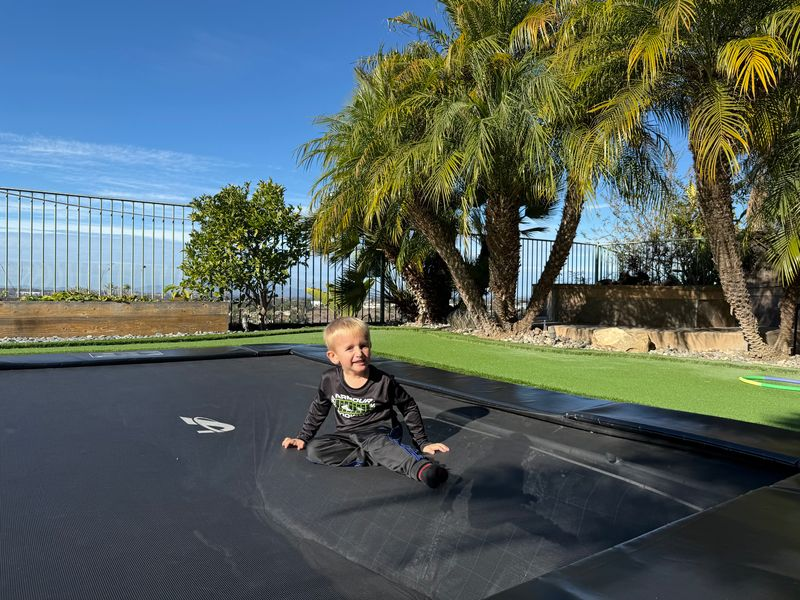
One of the most powerful ways a trampoline supports individuals with autism is through sensory input. Jumping engages both the vestibular system (our sense of balance and movement) and the proprioceptive system (our sense of body position and pressure). For some kids, this sensory input is calming, helping reduce overstimulation and anxiety. For others, it’s alerting, helping boost focus and energy when they’re feeling sluggish or shut down.
Each jump provides gentle joint compression and rhythmic vestibular feedback, working together to help modulate sensory responses. This is why so many therapists recommend trampoline time as part of a sensory diet: it delivers deep sensory input in a controlled way.
“Can lying on a trampoline give similar sensory benefits to jumping?”
It’s a great question.
Lying on a trampoline offers passive proprioceptive input; the slight give of the mat, the subtle stretch across the body, a kind of calming pressure like a hammock or therapy swing. It doesn’t replace the active sensory input of bouncing, but for some kids, especially for those who respond better to deep pressure than to movement, it can be a soothing sensory experience on its own.
Motor Skills and Coordination Development
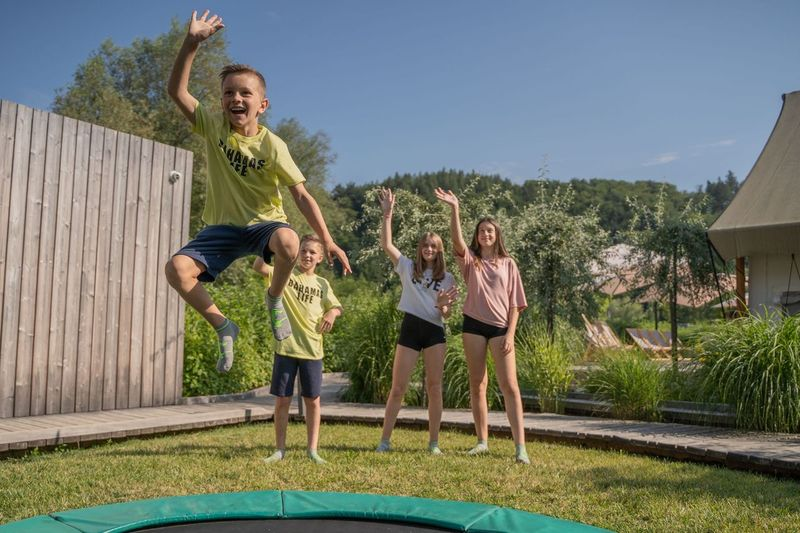
Beyond sensory benefits, trampolines are a powerful tool for building gross motor skills. Every jump challenges balance, coordination, and spatial awareness; skills that many individuals with autism work hard to develop.
With regular trampoline play, kids strengthen their core and leg muscles, improving posture and movement control. The repetitive nature of jumping also supports bilateral integration, coordinating both sides of the body together. That’s critical for everyday tasks like climbing stairs or dressing.
It can also build confidence, strength, and sensory readiness for other challenges, one bounce at a time.
Emotional and Behavioral Benefits

There’s another layer to trampoline use that’s just as valuable: emotional regulation. Jumping releases endorphins, those feel-good brain chemicals that lift mood and reduce anxiety. For many individuals with autism, it’s a natural way to manage stress and emotions.
A trampoline can also serve as an acceptable outlet for stimming and repetitive movement. Rather than pacing or flapping hands until exhaustion, some kids find bouncing a satisfying, full-body way to meet that sensory need.
Now for some, jumping late in the day might energize and delay winding down. For others, rhythmic bouncing might have a calming effect.
A few minutes of bouncing can settle jitters, channel excess energy, and improve readiness for structured learning environments. Whether it’s lifting mood, reducing meltdowns, or simply offering a safe emotional outlet, a trampoline is a versatile, therapeutic tool that meets kids where they are, with the movement their bodies crave.
🏆Our Best Pick: 17ft x 12ft XCITYX Akrobat In-Ground Trampoline
Is Trampoline Therapy Effective for Autism?
Trampoline therapy offers incredible benefits, but is it effective for everyone? Here’s what parents need to know before adding it to their routine.
Who May Benefit Most
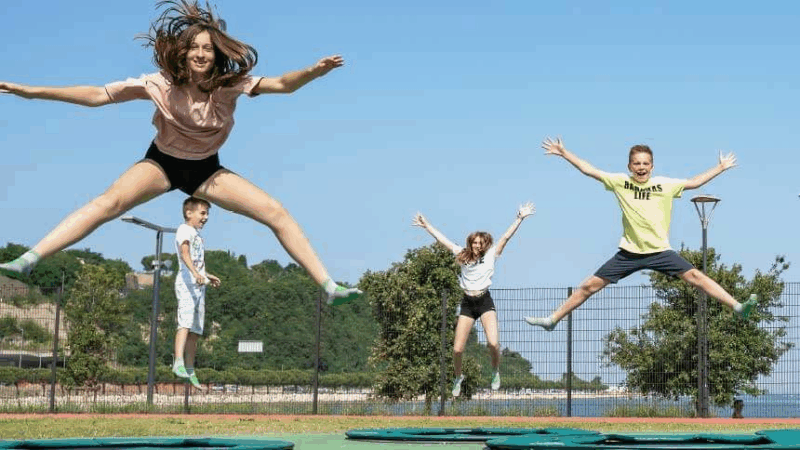
For many individuals with autism, trampoline is an incredibly valuable tool. The kids who tend to benefit most are those with sensory-seeking needs; the ones who crave movement, pressure, and deep sensory input.
Jumping delivers exactly that: vestibular stimulation from moving up and down, and proprioceptive input from joint compression with every landing. For sensory seekers, it’s a satisfying way to meet those needs without climbing, crashing, or risky behaviors elsewhere.
It’s also beneficial for children with motor planning challenges. Each jump is an opportunity to practice timing, coordination, and balance in a controlled, repetitive way that builds confidence over time. And for kids who struggle with emotional regulation, trampoline time provides a rhythmic, whole-body activity that channels energy and reduces stress.
At this point, you might wonder “Does trampoline benefit adults?”
While most research focuses on children, the core principles apply across ages. Sensory input needs don’t disappear in adulthood and neither does the calming, regulating effect of rhythmic movement. In fact, many autistic adults use indoor rebounders as part of their self-care and sensory regulation routines. The key is adjusting the size, intensity, and setup to fit the individual’s needs and preferences.
When to Use Caution or Modify
As powerful as trampoline therapy can be, it’s not always for everyone without thoughtful supervision and setup.
- If an individual is prone to seizures, balance deficits, or uncontrolled motor patterns, consult a medical provider or therapist before introducing trampoline use. The dynamic surface can increase fall risk in those situations, so having a clear safety plan in place helps reduce potential injuries.
- For kids who are big jumpers, climbers, or escape artists, we would recommend using a safety enclosure net. A well-designed enclosure, combined with thick padding over the springs and frame, significantly reduces injury risks. And of course, supervision remains non-negotiable.
- For sensory avoiders or over-responders, jump intensity and session length may need adjusting. Some kids find high bouncing overwhelming or disorienting. Starting with gentle, low bounces or even lying on the trampoline to acclimate can help build tolerance without triggering distress.
How to Incorporate Trampoline Therapy Into a Routine
A trampoline is an investment in your child’s safety, well-being, and progress. Choosing the right trampoline makes all the difference in both experience and durability.
Choosing the Right Trampoline

Start with a sturdy frame, UV-resistant mat, and reinforced stitching.
Another key decision: in-ground vs. above-ground. In-ground trampolines offer a lower fall height and less visual height exposure, which can reduce anxiety for cautious jumpers and give parents peace of mind. Above-ground trampolines are easier to move or replace but may feel more intimidating for some kids.
“What’s the quietest trampoline for a sensory-sensitive kid?”
Great question. Noise comes down to three factors:
- Spring vs. bungee vs. no-spring design. Low quality springs tend to squeak more as they age. Akrobat (AkroSprings) are designed for long term quiet operation.
- Mat type. A softer bounce mat (like our AkroVENT® mat) absorbs more vibration and reduces sharp rebound noise.
- Frame stability. Heavier frames shake less, lowering secondary rattles or vibrations. Akrobat Frames are extremely heavy duty and warranted for life.
One parent insight we love: they chose Akrobat because our thick padding covered the springs completely, reducing both injury risk and sensory discomfort from exposed metal or textures. It’s a small feature that makes a big difference for sensory-sensitive users.
Choose Your Akrobat’s Best Trampolines Here
Best Practices for Daily Use
Even with the right trampoline, it’s key to build trampoline therapy into your child’s day thoughtfully.
✅ Start with short sessions (5 to 10 minutes). Watch how your child responds. Do they crave more time? Seem overwhelmed? Let their cues guide how much and how often. Gradually increase duration as their tolerance and enjoyment build.
✅ For engagement, try structured activities while jumping. Count out loud, spell words, sing songs, or copy movement sequences. This boosts cognitive engagement and can turn trampoline time into a fun, multi-sensory learning opportunity.
✅ Be mindful of timing. A frequent mistake is bouncing too close to bedtime. For some kids, trampoline use is energizing rather than calming, which can make winding down harder. If you’re worried about overstimulation, finish trampoline time at least an hour before bedtime.
Wrapping Up With Some Key Suggestions
To get the most from trampoline therapy:
✅ Always supervise trampoline sessions. Even with safety enclosures and padding, direct supervision ensures appropriate use, especially for kids who may climb or push boundaries.
✅ Make the trampoline part of a balanced sensory diet, not the only input. While trampolines offer incredible sensory benefits, they work best alongside swings, compression tools, sensory bins, and calming spaces as part of a well-rounded routine.
✅ Inspect your trampoline regularly. Check for wear in the mat, stitching, springs, and frame every few weeks. A trampoline built well (like ours) lasts longer, but routine checks keep every bounce controlled.
Remember to always work with your child’s occupational therapist or care team to tailor trampoline use to their unique needs, strengths, and challenges.
👉 Looking for a trampoline designed for sensory, motor, and emotional support? Find Us Here
