
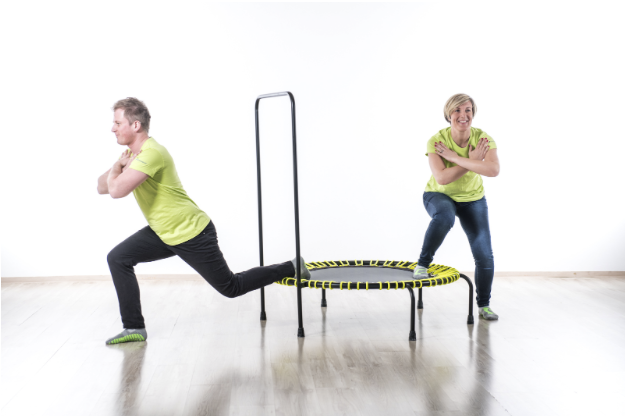
Yes, trampolining can aid osteoporosis by improving balance, mobility, and coordination, reducing fall risk. But mini-trampolines may not significantly boost bone density alone. Supervised, weight-bearing exercise combined with strength training offers stronger benefits.
For many, the real value lies not in reversing osteoporosis directly, but in lowering the likelihood of falls and fractures by enhancing stability, improving functional strength, and building confidence with movement.
Several studies confirm that supervised trampoline exercise helps older adults improve gait, strength, and reduce fear of falling, even when bone density itself remains unchanged.
At AkrobatUSA, we take this seriously. Our trampolines are designed with advanced safety technologies like AkroSPRING® and AkroVENT® systems that deliver 62.7% softer bounce absorption, protecting joints while providing dynamic, stable movement. Our in-ground and above-ground models minimize risk and maximize performance, offering families a safe environment to build strength, balance, and confidence, without compromising bone health.
If you’re simply curious, that may be all you need. But if you want to fully understand how trampolining can fit into an osteoporosis management plan, and how to do it safely, keep reading as we break it all down step by step.

How Osteoporosis Impacts Your Bones
Osteoporosis is a progressive loss of bone density and structural integrity. Over time, bones lose their mineral content, becoming porous and brittle. This structural compromise makes even minor falls or awkward movements potential triggers for fractures, especially in the spine, hips, and wrists.
That’s where movement matters. Staying active creates mechanical stress on bones, which helps slow this degenerative process. But for many living with osteoporosis, traditional high-impact exercises like running or plyometrics are neither safe nor realistic.
Low-impact movement becomes the safer alternative. The goal is to create enough load to stimulate the skeletal system without risking injury. This balance is exactly where trampolining can serve a unique role.
For many, the greatest barrier is psychological. The fear of falling often keeps people from engaging in any movement at all. Trampolines, particularly when designed with safety features and stable rebound dynamics like Akrobat trampolines, help rebuild confidence by offering a controlled environment where movement feels secure, enjoyable, and rewarding.
Is Jumping a Weight-Bearing Exercise?
Weight-bearing exercises force your body to work against gravity. The skeleton responds to this mechanical load by maintaining or even increasing bone strength. Activities like walking, hiking, dancing, and strength training all fit into this category.
Jumping on a mini-trampoline (or rebounder) creates a mild weight-bearing load. Every bounce applies gravitational force when you land, but the cushioned surface diffuses the impact, reducing the sharp compressive forces seen in hard-surface activities. This makes it joint-friendly while still activating muscles, tendons, and to some degree, the bones.
When compared to high-impact sports like running or jumping on hard ground, rebounders deliver less skeletal stress per bounce. However, that also means they are safer for those with fragile bones or pre-existing fractures. What rebounders offer is a safe compromise: enough impact to stimulate balance, coordination, and muscle activation without the harsh forces that could cause injury.
Can Trampolining Increase Bone Density?
This is where expectations need to be managed. The research community has yet to fully validate trampoline-based training as a direct method for substantially increasing bone mineral density (BMD), particularly in older adults with established osteoporosis.
Several studies, including 12-week trials using mini-trampolines, have demonstrated significant improvements in balance, gait, strength, and even fear of falling. These functional gains are meaningful because reducing the risk of falls directly lowers fracture risk, one of the greatest dangers for anyone with osteoporosis.
In real-world use, some individuals report mixed outcomes. For example, one long-term rebounder user noted that while their hip bone density stabilized, lumbar spine density continued to decline.
This reflects the mechanical limitations of rebounders, they deliver more impact to weight-bearing joints like hips but may not create sufficient load for spine preservation.
Still, the functional benefits are undeniable. If we can help someone move better, stay active longer, and reduce fall anxiety, that’s a tremendous win, even if the densitometry scans remain largely unchanged.
Key Benefits of Trampolining for Osteoporosis
Improved Balance & Coordination
Trampolining requires constant micro-adjustments in posture and balance. This neuromuscular training improves proprioception, your body’s awareness of its position in space, which is one of the strongest defenses against falls. For osteoporosis patients, better balance directly lowers the risk of life-altering fractures.
Muscle Strengthening & Functional Mobility
Controlled bouncing engages the entire body. Studies have shown that even in as little as 12 weeks, participants on mini-trampolines improved lower limb strength, gait speed, and overall functional mobility. This type of movement reinforces joint stability, posture, and muscular endurance, all of which are critical to maintaining independence with osteoporosis.
Stress Reduction & Mental Health
The rhythmic motion of trampolining stimulates endorphin release, naturally lifting mood and reducing anxiety. For many facing the daily limitations of osteoporosis, this mental reprieve carries as much value as the physical gains. The consistency of motion also functions like a moving meditation, providing psychological benefits that ripple far beyond bone health.
What Are the Risks? When to Be Cautious
Spine Compression & Fractures
For individuals with advanced osteoporosis or prior vertebral fractures, the spinal column can become vulnerable to even minor compressive forces. While trampolining creates gentler impact compared to ground-based jumping, excessive bouncing or poorly controlled landings may still place harmful stress on fragile vertebrae. That’s why we always emphasize controlled, gentle movements, supervised routines, and strict avoidance of high-amplitude jumping for anyone with known spinal compromise.
Knee & Ankle Concerns
Even low-impact movement still requires proper alignment. Misaligned joints, particularly knees and ankles, can absorb stress unevenly during repeated bouncing. If joint stability isn’t addressed beforehand, repeated sessions could result in strain, discomfort, or overuse injuries. Correct technique and ongoing supervision are key to keeping this benefit safe and sustainable.
Worries from Real People
These are the concerns we hear often, and they’re valid:
- “Is this really building my bones?”
Answer: Trampolining stimulates muscles and bones, but it’s not the most potent driver for increasing bone density. The value comes from better balance, strength, and reduced fall risk, all of which help preserve independence and prevent fractures. - “What if I fall?”
Answer: With high-quality equipment and safety features like enclosures, plus the inherent stability of AkrobatUSA’s rebound systems, fall risk is significantly reduced. But supervision remains critical, especially early on. - “Is this enough impact to matter?”
Answer: Rebounding creates mild to moderate skeletal loading, sufficient for balance training, muscle engagement, and neuromuscular coordination. For significant BMD improvements, higher-impact activities or resistance training may be required alongside.
How to Safely Use a Trampoline for Bone Health
- Start with Professional Supervision
- Every osteoporosis case is different.
- Some individuals may tolerate gentle bouncing; others may need modifications.
- A personalized assessment by a physician or physical therapist is essential before starting any trampoline routine.
- Use Quality Equipment
- Not all trampolines offer the same safety and performance.
- Akrobat trampolines provide 62.7% softer bounce absorption.
- Stable rebound mechanics minimize joint strain while activating muscles and engaging balance systems.
- Add Safety Features
- Safety is mandatory for osteoporosis users.
- This multi-layered safety design supports both seniors and younger users building bone strength.
- Combine with Other Exercises
- Trampolining improves balance and coordination.
- Resistance training remains key for increasing bone density.
- Incorporate supervised:
- Squats
- Deadlifts
- Lunges
- Overhead presses
- A blended trampoline and strength-training routine offers a comprehensive strategy for osteoporosis management.
What Sport Is Best for Osteoporosis?
Trampolining offers real value, but let’s be clear: resistance training still sits at the top of the list for directly improving bone density.
Lifting weights, bodyweight exercises, and even modified strength training produce greater osteogenic (bone-forming) stimulus. However, cross-training remains ideal. Yoga, brisk walking, swimming, balance drills, and trampoline work each deliver complementary benefits.
The key is diversity, combining disciplines to address strength, balance, cardiovascular health, and psychological well-being simultaneously. Trampolining fits beautifully into this larger framework, particularly for those focused on fall prevention and maintaining confidence in movement.
How Akrobat USA Supports Trampolining
At AkrobatUSA, safety, quality, and performance are never afterthoughts, they are our obsession.
Our trampolines are engineered in Europe using the highest manufacturing standards. Every frame is built from hot-galvanized, heavy-duty steel, designed to withstand millions of jumps while resisting weather, rust, and wear over years of use.
We use only certified, non-toxic materials to protect your health and the environment.
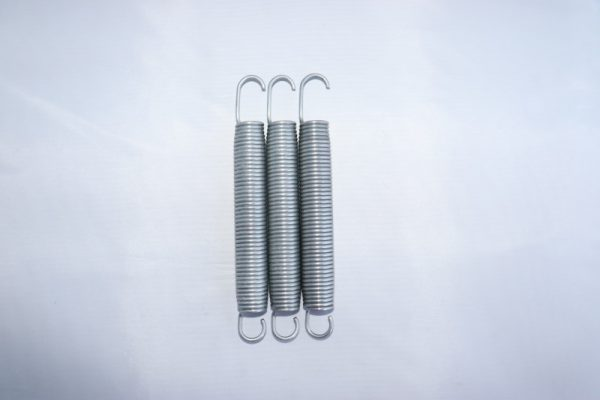
The AkroSPRING® system provides controlled, fluid bounce dynamics, firm enough to challenge muscles, soft enough to protect joints. Paired with our AkroVENT® jump mat, airflow is optimized for smooth, stable rebound, minimizing joint strain while delivering a true full-body workout experience.
Backing this is our comprehensive warranty: lifetime frame warranty, 10-year spring warranty, and U.S.-based customer support that stands behind every product we sell. This is an investment in your long-term health, mobility, and confidence.
Final Word: Is Trampolining Right for You?
Trampolining is not a silver bullet for osteoporosis, but it is a highly effective tool when used correctly.
The pros:
- Improves balance, coordination, and strength
- Reduces fall risk and supports psychological confidence
- Delivers full-body movement without harsh joint impact
- Creates a safe, enjoyable platform for consistent physical activity
The cons:
- Limited direct bone density gains, particularly for advanced cases
- Requires supervision and physician approval for certain individuals
- Poor quality equipment can create safety hazards if not properly selected
Always begin with a physician consultation to determine whether trampolining fits your personal situation. For many, especially when combined with resistance training and supervised programs, trampoline training can become a core pillar of an active osteoporosis management strategy.
At AkrobatUSA, we take great pride in knowing our products help families move confidently again. We don’t cut corners, and we don’t make compromises, because your safety, your health, and your family deserve the best.
Rebuild Balance. Rebuild Confidence. Rebuild Life.
If you’re living with osteoporosis, you know how quickly confidence erodes when movement becomes risky. The fear of falling can lead to inactivity, and inactivity leads to further decline.
At AkrobatUSA, we build trampolines that reverse that cycle. Our in-ground models keep bounce heights closer to the ground, dramatically reducing fall risk. Our AkroSPRING® technology ensures a smooth, forgiving bounce that protects joints while engaging muscles. And our European-engineered frames are built to last for years, not seasons.
If you’re ready to explore how trampolining can fit safely into your osteoporosis plan, start with the safest equipment available. Browse our full range of AkrobatUSA trampolines, schedule a personalized consultation, or contact our team today to get expert guidance on choosing the right model for your needs.
👉Take the first bounce toward strength, stability, and confidence, with AkrobatUSA.
