
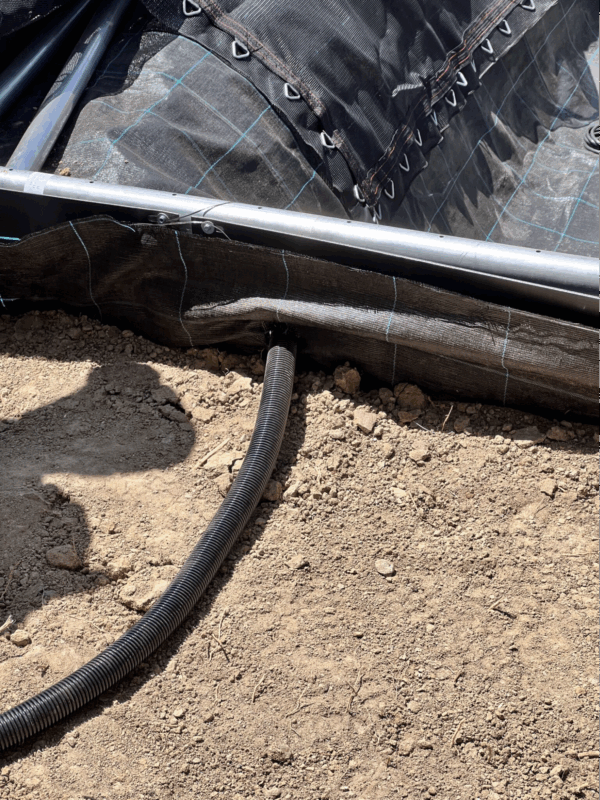
Drainage is often the most overlooked factor when people install in-ground trampolines.
When you drop a trampoline directly into the ground, you create a natural pit where water wants to collect. Without the right drainage system, you could be setting yourself up for flooded pits, damaged jump mats, rusted frames, mosquito breeding grounds, and, yes, even safety hazards like collapsing soil or slick surfaces.
We’ll walk through strategies, insights, and maintenance tips. Ready to jump in? Let’s go.
Why In-Ground Trampoline Drainage Is Key
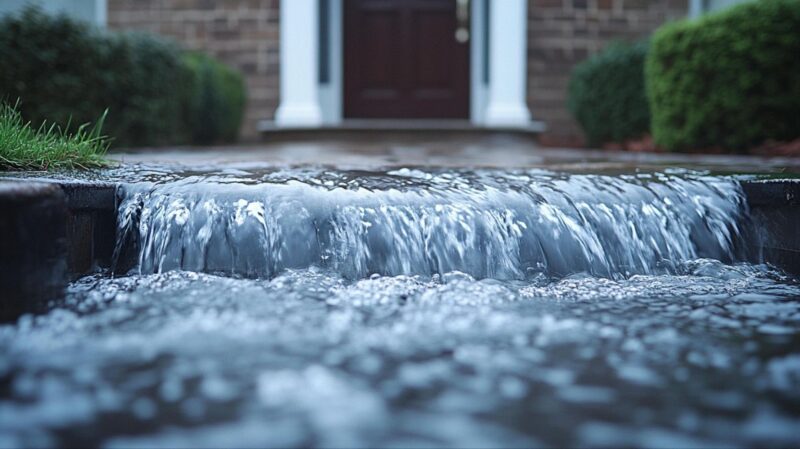
When you install an in-ground trampoline, you’re basically creating a giant bowl. Rain, irrigation runoff, snowmelt, it all ends up pooling under the trampoline unless your soil percolates really well or you put a drainage system in place to carry it away.
Now, here’s where many families underestimate the risks. You might think:
“It’s just a little water. Won’t it dry up on its own?”
The answer is often no and ignoring that water can lead to major consequences. Without proper drainage, standing water under your trampoline can cause:
- Sagging or rotting of the jump mat, reducing bounce quality and safety.
- Soil collapse or pit erosion, which can make the entire trampoline structure unstable.
- Increased mosquito breeding, a health hazard you definitely don’t want in your backyard.
Think of it like this: no matter how strong a boat is, it still needs to stay afloat. Likewise, no matter how tough your trampoline is, it can’t fight back against a waterlogged, eroding foundation on its own. Proper drainage is the invisible backbone of a long-lasting trampoline setup.
How to Plan Your Drainage System Before Installation
Great drainage doesn’t start at the bottom, it starts at the top, before you even dig a hole. Careful planning is what separates a high-performing trampoline from a backyard disaster.
Step 1 – Know Your Soil and Yard Slope
Before digging a hole for your in-ground trampoline, know your soil. Clay soil drains poorly and can cause your pit to flood, especially during heavy rain. If you’re working with clay, dig deeper and add better drainage like extra gravel or a sump pump. On the other hand, sandy or loamy soil drains more easily, so a simple gravel base may be enough. Always test how well your soil drains before starting the installation.
Step 2 – Map Utilities and Permits
Here’s a key step too many DIYers skip. Check your underground utilities and local permits before you dig.
On occasion homeowners call us after hitting an irrigation line, a power cable, or a gas pipe. Not only is it dangerous, it could be expensive to fix. Make sure to mark out your dig site clearly and call local utility services for a check.
Additionally, some municipalities may require permits or inspections for large in-ground structures or drainage setups, especially if you’re connecting to a storm drain system. Ignoring these legal steps can lead to fines or forced removals later. Plan smart, plan legal, and protect your investment.
Step 3 – Choose the Right Drainage Approach
Not all drainage systems are created equal, and the right choice depends on your yard, soil, and climate. Let’s break down the options:
✅ Gravel Bed Drainage: A thick layer of gravel at the base of the pit can allow water to percolate naturally. This is the simplest approach and works well in areas with good soil drainage.
- Pros: Low cost, minimal maintenance, no mechanical parts.
- Cons: Ineffective in clay soils or flood-prone yards.
✅ French Drains: A perimeter drainage system using perforated pipes surrounded by gravel, ideal for areas with heavy rainfall.
- Pros: Excellent water redirection; handles larger volumes.
- Cons: Higher installation cost; may require professional setup.
✅ Sump Pumps: For flat, heavy-soil, or flood-prone yards, a sump pump actively moves water out of the pit and away from the trampoline.
- Pros: Active water removal; handles heavy water loads.
- Cons: Requires power; higher upfront and maintenance costs.
✅ Hybrid System: For example, a hybrid system might use a gravel bed for basic drainage, a French drain to channel overflow, and a sump pump as a backup during extreme storms. This layered strategy gives you high-performance drainage that adapts to both everyday use and worst-case weather events.
- Pros: Maximum protection; adaptable to changing conditions.
- Cons: More complex to install; May requires professional design.
Some homeowners even ask, “Can I connect the trampoline drainage to my home’s French drain or stormwater system?” That depends on local regulations and you must check first. Improper connections can overload systems or back up water into neighboring yards.
🔗If You Just Purchased Our In-Ground Trampoline, Check Out Our Full Drainage Instruction Here
Installation Tips for Long-Term Drainage Success
Even the best materials can fail if you don’t set them up right. Let’s break down steps to secure your trampoline for years to come.
Get the Pit Shape Right
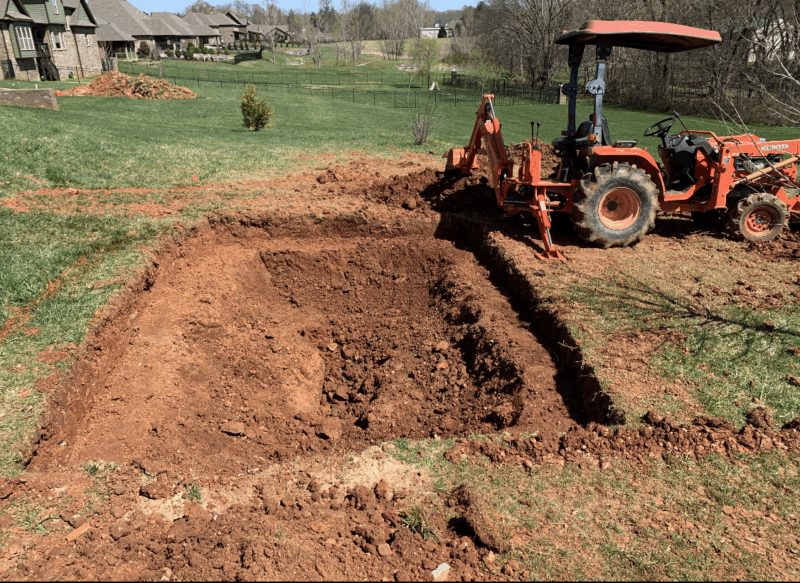
This is where many homeowners slip up. They dig a straight-sided hole, drop in the trampoline, and assume the gravel will handle the rest.
Your pit should have a bowl-shaped design, sloping gently toward the center where your drainage system is positioned. This shape naturally channels water downward and prevents it from pooling along the edges where it can erode the soil or compromise the frame.
Think of it like a well-engineered swimming pool: water needs to flow where you want it, not sit stagnant or seep under your structure.
Compact Soil and Secure Edges
One of the most popular worries we hear is:
“Will the edges of my trampoline collapse after a big rain?”
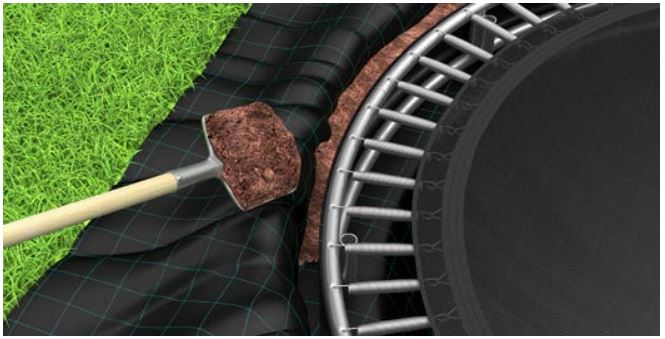
That’s a valid point but it’s avoidable with proper soil compaction. When you backfill around the trampoline, you need to compact the soil firmly in layers, not just pile it up loosely. We recommend using saved soil from the excavation (as outlined in our installation guides) and tamping it down carefully to create a strong, stable border.
Additionally, securing the perimeter with retaining panels, blocks, or proper edging materials helps lock the surrounding ground in place, keeping everything level.
Maintain Airflow for Bounce
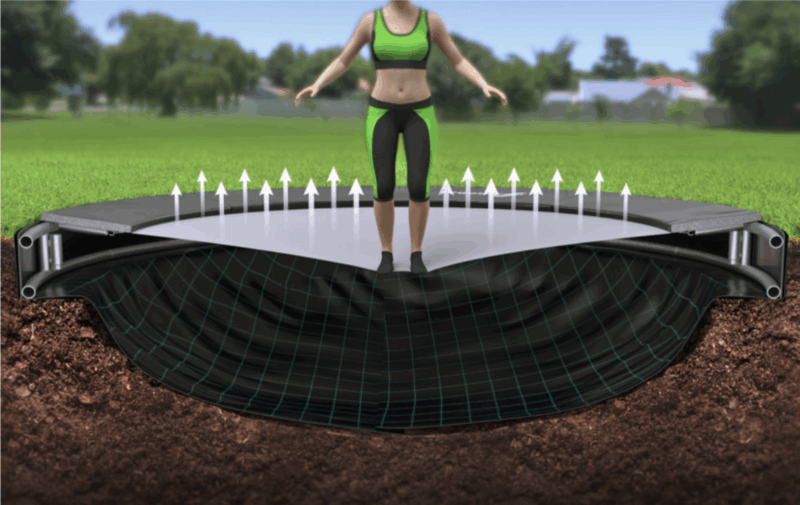
Here’s an AkrobatUSA secret that many competitors miss: Drainage plays a key role in both removing water and maintaining airflow beneath the mat.
Our AkroVENT® mats are engineered to deliver 62.7% softer bounce absorption thanks to superior airflow. That means even when the ground is damp, your jumps stay smooth and joint-friendly. A well-designed pit lets water escape and air circulate freely, giving you a great bounce and the fastest drying time after a rain.
🛒 Looking For a Mat Replacement? We Got You Here
Protect Against Wildlife and Children
If you’re installing a sump pump, you must cover sump pits securely, if left uncovered, these pits can pose a hazard. Always use heavy-duty, child-safe covers that prevent accidental entry but still allow proper water flow. And if you live in a wildlife-heavy area, consider designs that deter rodents, or other small animals from nesting in or around your trampoline pit.
Seasonal and Ongoing Maintenance Tips
Just like you’d service your car or check your roof before winter, your in-ground trampoline drainage needs the same smart maintenance.
Perform Regular Checks
Start by setting a simple schedule. At least twice a year (ideally before rainy seasons and after major storms) inspect your drainage system thoroughly.
Here’s what you should look for:
✅ Clear out debris like leaves, twigs, or dirt that might block water flow in gravel beds or French drains.
✅ Check the gravel layer for signs of compaction or blockage; over time, gravel can fill with fine sediment that reduces its permeability.
✅ Test sump pumps by running water into the pit and ensuring the pump activates and drains efficiently.
Remember: a clogged or non-functioning drainage system turns even the best trampoline setup into a flood risk. Stay ahead of problems, and you’ll avoid repairs later.
Winterization Best Practices
- In snowy climates, remove the jump mat during winter. Heavy snow buildup can stretch or damage the mat and you don’t want extra weight pressing into a frozen, non-draining pit.
- For sump pump setups, ensure all lines are winterized or insulated to prevent freezing and cracking. Frozen pipes can burst, leading to drainage failure or water backing up into your trampoline area.
- Cover or protect exposed drain points to stop snowmelt from overwhelming the system too quickly in early spring.
Our products are engineered to withstand tough conditions, but you still need to do smart seasonal prep to deliver our trampoline’s full lifespan. Remember, we’re talking up to 2.5 million jumps when properly maintained!
Upgrade Paths for the Future
Here’s a tip most installers won’t tell you: design your drainage system with future upgrades in mind.
Yards change. Weather patterns shift. Families grow. What works for you today might need more capacity in a few years, especially if you expand your backyard setup or notice increasing rainfall in your area.
When planning your drainage, leave space for:
- Adding larger sump pumps if water volumes increase.
- Extending French drains if you need to route water farther away.
- Incorporating additional gravel wells or drainage buckets as your needs evolve.
The AkrobatUSA team is always ready to advise on scaling your system as your setup grows. We believe in building for longevity, not just for today because quality is what sets us apart.
Advanced Tips and Insights
When it comes to trampoline drainage, most people only think about keeping water out of the pit but if you want an ideal level of performance and longevity, you need to look at how materials, design, and innovation come together to protect your investment.
Eco-Friendly Drainage Ideas
We know many families today care about sustainability, and one exciting idea we’ve seen is integrating rainwater collection into trampoline drainage systems.
By routing drained water into rain barrels or greywater systems (where legally allowed), you can reuse what would otherwise be runoff; watering your garden, filling ponds, or supporting eco-friendly landscaping. Just be sure to follow local guidelines, as not all drainage outflows are approved for reuse.
Designed for Maximum Durability
Our trampolines are manufactured to high standards, meeting certifications like SIST EN 1176-1 and EN 71-14. Why does this matter for drainage? Because no matter how good your pit system is, your trampoline still needs to withstand outdoor exposure year after year.
We use UV-resistant materials that don’t degrade or become brittle under sun exposure, and our hot-galvanized steel frames feature 275 g/sqm zinc coatings that resist rust even in damp or poorly drained environments. Combine that with a proper drainage system, and you’ve got a trampoline built for the long haul.
Fewer Tools for Assembly That Protects Drainage Systems
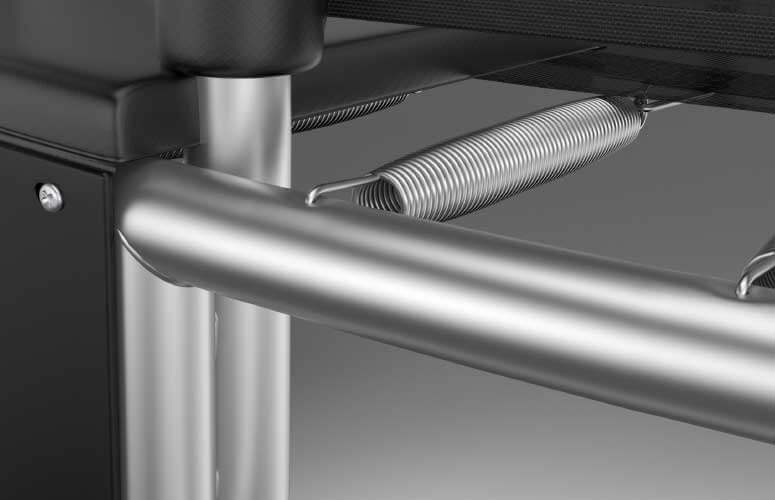
Another AkrobatUSA advantage: our AkroCLICK® tool-free assembly system.
Many trampoline brands require heavy tools and screws that can accidentally puncture or damage underlying drainage materials during setup. With AkroCLICK®, you get a precise, secure fit with fewer screws, reducing the risk of disturbing the gravel, liners, or drainage pipes you’ve carefully installed. This system not only saves time but preserves the integrity of your entire install.
Build a Long-Lasting Trampoline Setup
If you take away one message from this guide, let it be this: good drainage is an important step to insure a long-lasting and enjoyable in-ground trampoline experience.
If you’re ready to explore the best in-ground trampoline models on the market, we invite you to browse our In-Ground Trampolines or reach out to our team for personalized advice.
We’re here to help you build unforgettable memories. Let’s get jumping!
