
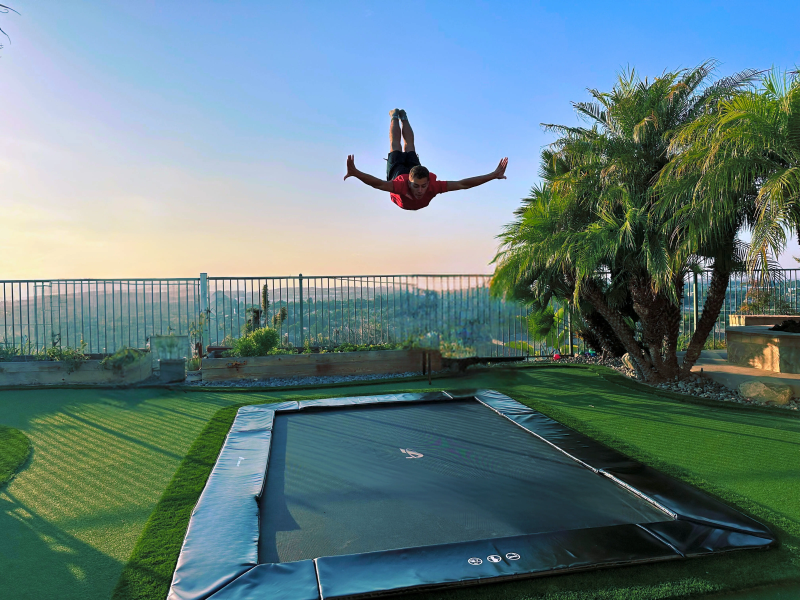
Yes, trampolining is good for your brain. Each bounce can boost oxygen flow, activate balance systems, and strengthen neural pathways, enhancing focus, memory, and mood. It also can stimulate endorphins and serotonin, supporting emotional balance and stress relief.
- Research shows that movement and learning are connected.
- Research shows that modified trampoline training resulted in significantly improved balance and dynamic gait.
- Rebound exercise has shown the potential to improve mobility in people with neurological disorders.
The up-and-down motion activates multiple systems simultaneously: cardiovascular, vestibular, lymphatic, and neurological, all working together to optimize brain performance.
For anyone looking to improve their mental sharpness, emotional balance, or simply maintain cognitive vitality as they age, trampolining is one of the most efficient and enjoyable ways to do it.
At AkrobatUSA, we engineer trampolines designed specifically to support these benefits. Our AkroSPRING® system ensures smooth, controlled bouncing that’s easy on the joints but powerful enough to stimulate the brain. For families, athletes, and anyone serious about long-term brain health, our trampolines offer a true performance advantage.
If you’re only looking for a quick answer, you have it: yes, trampolining is not only safer for the brain, it’s one of the most effective brain-friendly exercises available today.
But if you want to dive deeper into why it works, how to do it safely, and what unique benefits you might be missing, keep reading.
The Science Behind: Why Trampolining Stimulates Your Brain
The moment your feet leave the mat, something remarkable happens. Trampolining creates a cascade of physiological responses that directly influence how your brain performs.
First, every jump boosts your cardiovascular system. Studies consistently show that just 10 minutes of trampolining delivers the same heart-healthy benefits as 30 minutes of running, without the joint strain. This increased circulation delivers oxygen-rich blood straight to the brain, fueling areas responsible for memory, learning, and cognitive clarity.
NASA has leveraged this exact mechanism for decades. After extended periods in space, astronauts experience significant bone and neurological deconditioning.
Every bounce activates your vestibular and proprioceptive systems. These complex sensory networks control spatial orientation, balance, and body awareness, foundational components for coordination, focus, and overall brain processing.
This constant recalibration strengthens neural pathways, which is why trampolining often feels both energizing and mentally refreshing.
The Mental Health Benefits of Trampoline Exercise
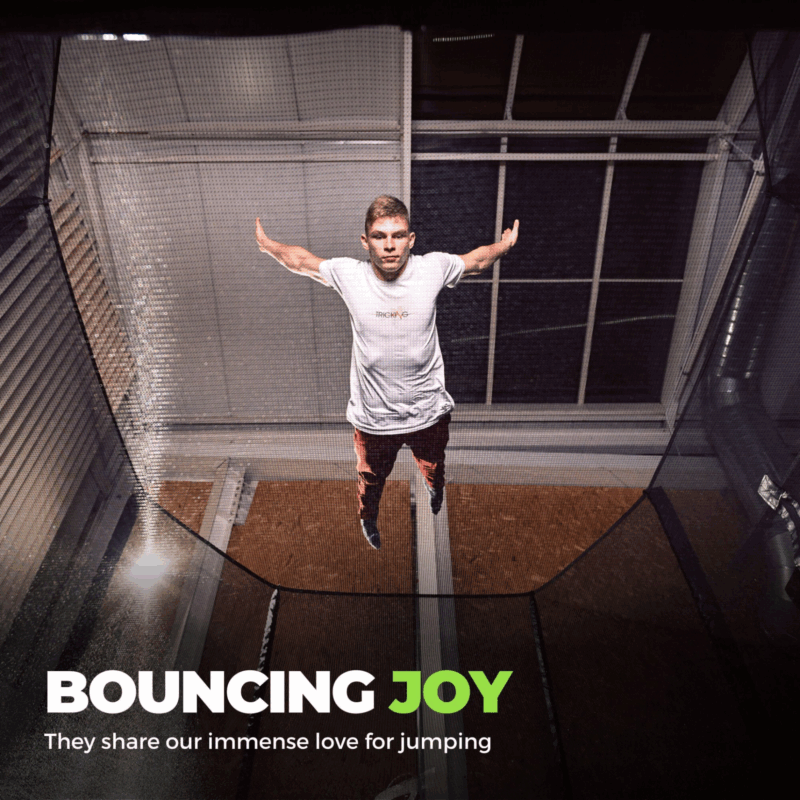
Beyond its physical impact, trampolining directly influences mood and mental wellbeing. With each rhythmic bounce, your body releases endorphins, natural chemicals that elevate mood and reduce feelings of anxiety. Simultaneously, serotonin levels rise, supporting emotional balance and helping regulate sleep, appetite, and focus.
This immediate release of mood-stabilizing hormones offers fast relief for individuals facing anxiety, depressive symptoms, or chronic stress.
Many describe the sensation as a moving form of meditation, mindfully focused on each bounce, completely present, while daily worries momentarily fade. The combination of physical movement and mental concentration creates a powerful reset for the nervous system.
Check out our full guide on Trampolining For Mental Health here.
Special Benefits for Neurodiverse Individuals
For individuals who experience sensory processing challenges, trampolining offers highly controlled proprioceptive input. Read more on our article: Trampoline for Sensory Processing Disorders: Benefits & Tips.
The repetitive, predictable motion provides calming feedback to the brain, helping children with ADHD, autism, or anxiety find emotional balance and sensory satisfaction.
Occupational therapists regularly incorporate trampolines into sensory integration programs for these exact reasons. The controlled movement helps regulate arousal levels, making it easier for neurodiverse children to focus, self-soothe, and manage overwhelming environments.
How 10 Minutes on a Trampoline Impacts Cognitive Function
The cognitive benefits of trampolining don’t take long to reveal themselves. Even short sessions help sharpen executive functions such as decision-making, concentration, and working memory. Visual-motor coordination improves as the brain continuously processes spatial feedback while balancing and adjusting body position mid-air.
Long-term, this repetitive stimulation may offer protective effects against age-related cognitive decline. Maintaining balance, coordination, and responsive processing into later years directly correlates with reduced dementia risks. For older adults seeking a joint-friendly, brain-engaging activity, trampolining presents a rare combination of safety, fun, and neurological stimulation.
Unexpected Ways Trampolining Boosts Mental and Physical Resilience
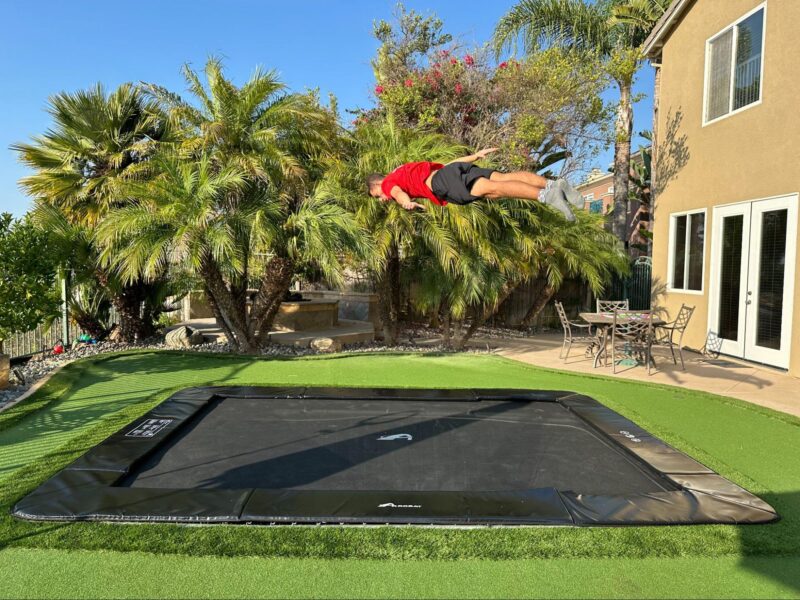
While the neurological and mood benefits are well established, trampolining also unlocks resilience in surprising ways. The act of bouncing triggers adrenaline release, producing a clean surge of energy that elevates alertness and motivation. Many users report feeling mentally sharper and physically invigorated after even short sessions.
Beyond individual gains, trampolines create opportunities for families to connect. Joint trampoline sessions encourage laughter, teamwork, and shared achievement, building strong emotional bonds. For many parents, it becomes a daily ritual that replaces screen time with active, meaningful interaction.
Outdoor trampolining holds additional value. Exposure to natural sunlight during backyard sessions supports vitamin D production, which is directly linked to mood regulation. In colder months, this light exposure helps reduce symptoms of seasonal affective disorder, offering a simple, natural strategy for maintaining emotional balance year-round.
Trampolines also invite creativity beyond exercise. Families have transformed their trampolines into star-gazing platforms, outdoor theaters, and quiet relaxation spaces, proving that its mental benefits aren’t limited to jumping alone.
Addressing Worries About Trampolining for the Brain
Naturally, some wonder whether trampolining could have unintended consequences. Can too much bouncing affect mental health? Could it become addictive? Like any enjoyable activity, moderation matters.
There are isolated cases where individuals feel compelled to jump excessively, even prioritizing it over responsibilities or social connections. This behavioral tendency resembles patterns seen in certain forms of compulsive exercise or gaming. While rare, it highlights the need for personal discipline and balance.
For most users, trampolining remains entirely safe when approached with proper boundaries. Short, structured sessions allow the brain to benefit without overtaxing the nervous system. Families can confidently incorporate trampolining into daily routines while keeping other life priorities intact.
Long-term use remains safer when balanced appropriately. As with any physical activity, excessive, unsupervised or prolonged use without rest can lead to mental or physical fatigue. Responsible practice, paired with appropriate safety measures, delivers the full cognitive and emotional benefits without risk.
Designing a Safer Brain-Boosting Trampoline Routine
Start with moderation:
- Begin with short trampoline sessions.
- Monitor your body’s response to activity.
- Allow adequate recovery between sessions to avoid overstimulating the nervous system.
Use safety enclosures:
- Prevent falls, especially for younger children during energetic bouncing.
- In-ground trampoline designs further reduce fall height and improve accessibility for all ages.
Choose equipment with proper weight ratings:
- Ensure models safely support both children and adults.
- AkrobatUSA trampolines are engineered for heavy-duty performance, multi-user support, and joint-friendly bounce control.
Prioritize routine maintenance:
- Regularly inspect for worn springs, loose frame components, and weather-related wear.
- Ongoing checks help maintain safety and optimal performance for years.
Why NASA Validates Trampoline Training
Few organizations have studied the effects of rebounding as extensively as NASA. When astronauts return from extended space missions, they face serious loss of bone density and compromised neuromuscular function due to zero gravity. NASA identified trampoline rebounding as one of the most effective tools for rebuilding both skeletal strength and neurological control.
The same mechanisms apply on Earth. Each controlled bounce gently compresses the bones, stimulating regeneration without the harsh impact found in running or high-impact sports. Simultaneously, the continuous recalibration of balance activates critical brain pathways involved in coordination, focus, and body awareness, delivering brain benefits far beyond what most traditional exercises offer.
The Verdict: Is Trampolining Good for Your Brain?
The evidence is overwhelming: trampolining benefits the brain across multiple dimensions. Physically, it strengthens bone, balance, and coordination. Cognitively, it sharpens focus, improves executive function, and supports long-term brain health. Emotionally, it reduces stress, elevates mood, and helps regulate anxiety.
With proper supervision and safer equipment, trampolining can be safely integrated into daily life for children, adults, and seniors alike. Whether you’re managing stress, improving focus, or simply looking for an activity that strengthens both body and mind, trampolining delivers unmatched versatility as a brain-boosting practice.
Quick Answers to Common Questions
- What is 10 minutes on a trampoline equal to? Roughly equivalent to 30 minutes of running in terms of cardiovascular benefit, but with far less joint strain.
- Is jumping on a trampoline good for mental health? Yes. It elevates mood through endorphins, reduces anxiety, regulates stress, and supports emotional balance.
- Does trampolining improve brain health long-term? Consistent use improves cognitive function, coordination, and may help reduce age-related cognitive decline.
- Why does NASA recommend jumping? Because it rebuilds bone density and restores neurological function after zero-gravity exposure, benefits that also apply on Earth.
Related Resources & Next Steps
- Explore occupational therapy programs utilizing trampolining for neurodevelopmental support.
- Review comprehensive trampoline safety guides before purchasing any equipment.
- Build family activity routines that prioritize shared outdoor trampoline sessions.
Your Next Step: Upgrade Your Brain Health with AkrobatUSA
You now know that trampolining is one of the most efficient ways to enhance brain health, emotional stability, and physical resilience. The question is no longer if trampolining works, but how you’ll do it safely and effectively.
That’s where AkrobatUSA comes in.
- AkroVENT® Technology for Safer Brain Stimulation: Our unique jump mat design allows superior airflow and a softer, more controlled bounce. This reduces joint strain while maximizing lymphatic and neurological stimulation, ideal for cognitive performance.
- AkroSPRING® Suspension for Joint-Friendly Performance: Our spring system delivers powerful, balanced rebounds that protect your joints while providing enough stimulus to engage both body and brain, perfect for all ages, including seniors and developing children.
- In-Ground & Enclosed Safety Options: Whether you want a seamless in-ground installation or added safety enclosures for younger users, AkrobatUSA offers solutions designed for total peace of mind.
