
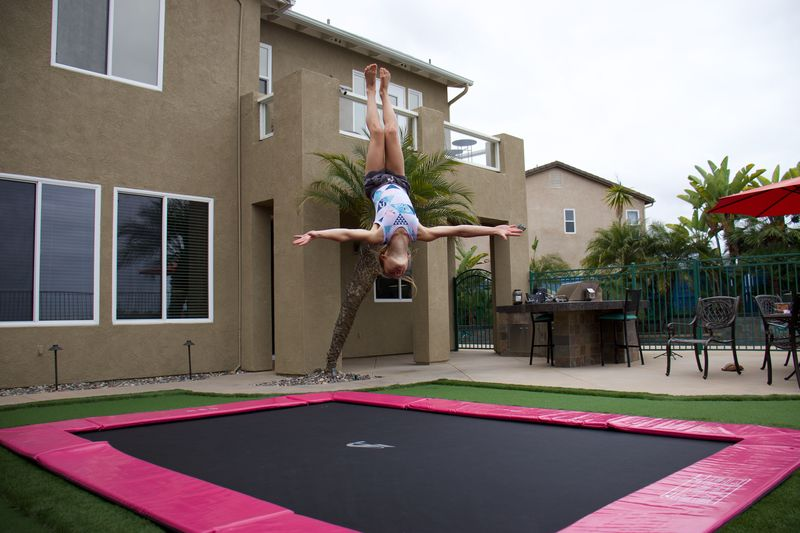
Trampolining helps ballet dancers build strength, elevation, and endurance with reduced joint impact. It’s ideal for safer jump conditioning and core training. Learn exercises, burn rates, and how to avoid bad habits like skipping pliés or collapsing posture mid-jump.
Ballet dancers are precision athletes.
Every movement is powered by control, refined through repetition, and protected by the body’s conditioning. Yet traditional floor work alone often falls short, especially when it comes to building elevation, preserving joints, and recovering from overuse. That’s where trampolining enters the conversation.
Trampolines offer a low-impact, joint-safe way to reinforce ballet technique, develop explosive power, and increase endurance without compromising form. Whether you’re training petit allégro sequences or simply trying to regain strength after injury, trampoline-based conditioning opens the door to sharper jumps, better posture, and smarter movement patterns.
Why Ballet Dancers Are Turning to Trampolines
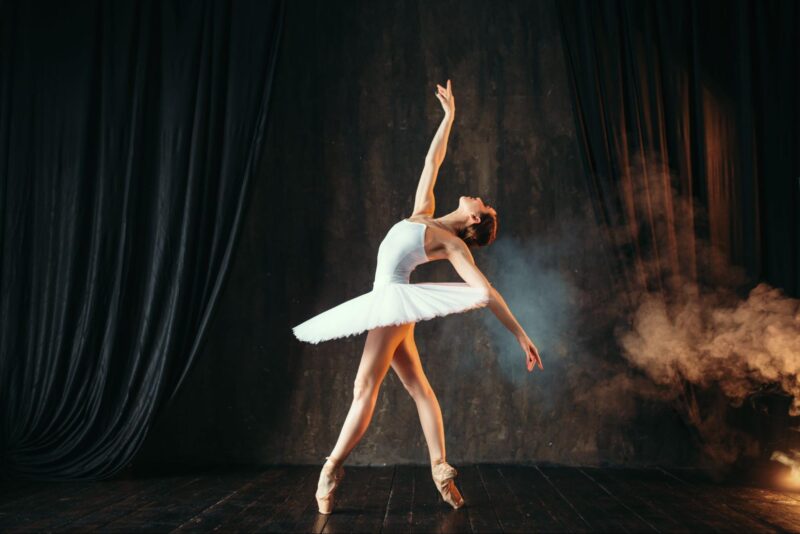
Ballet demands explosive power from the lower body while maintaining elegance through the spine, neck, and fingertips. But repeated jumping on hardwood floors can push joints past their limits, especially for dancers training six days a week.
Trampolines offer a safer alternative, absorbing shock and preserving energy across long training sessions.
This is particularly valuable for beginners or returning dancers who need strength without inflammation. The surface is forgiving, but the demands are real: you still have to control every plié, relevé, and changement with the same precision you’d use on the floor.
Is Trampolining a Good Form of Exercise for Dancers?
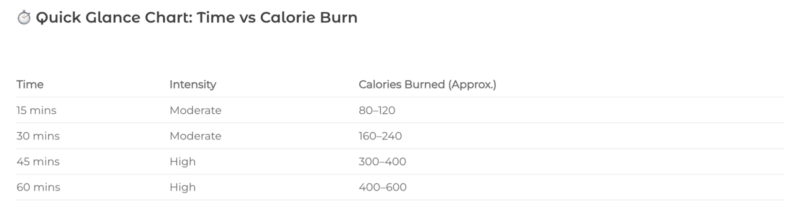
Trampoline training is smart conditioning. A 30-minute bounce session can burn 160–240 calories while strengthening the glutes, core, and lower limbs in a way that’s sustainable over time. Unlike high-impact plyometrics or treadmill intervals, trampolining provides cardiovascular intensity without overstressing joints.
Compared to swimming pools or barre-based strength work, trampolines offer a hybrid benefit: both cardio and vertical power.
Pool training is excellent for resistance and rehab, but lacks the rebound needed to replicate leaps. Barre work builds precision but doesn’t allow for aerial conditioning. Trampolining fills that gap. It trains you to leave the floor, and return, stronger each time.
Step-by-Step Trampoline Conditioning Routine for Ballet
A trampoline is a tool. And like any tool, it’s most effective when used with intention. Here’s a structured routine designed to build alignment, strength, and elevation in under 35 minutes.
Phase 1 – Warm-Up & Alignment (5–7 mins)
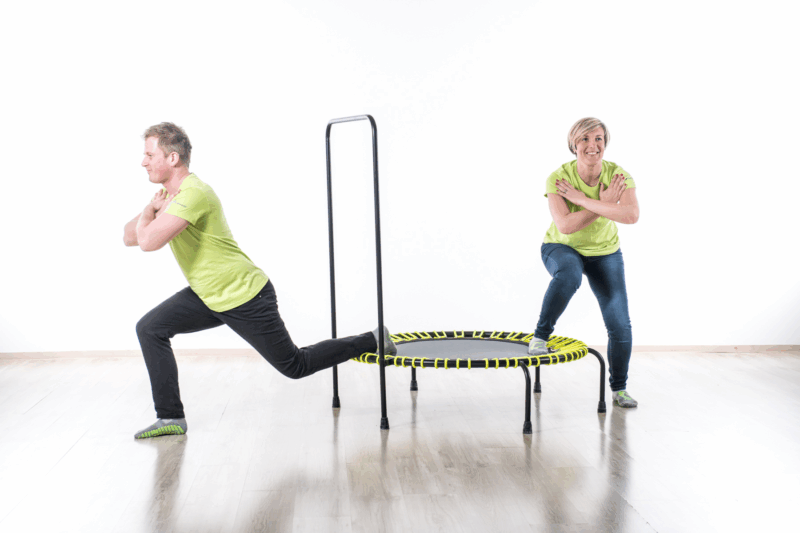
Begin with slow plié-relevé progressions on a mini trampoline. Focus on articulating through the feet and keeping the knees aligned over the toes. Control is the goal here.
Follow with shoulder alignment drills. Gently raise and lower the arms in fifth position while bouncing softly, coordinating breath with movement. Exhale on the lift, inhale on the return. This primes the lungs and posture for stronger jumps.
Phase 2 – Form & Footwork Drills (10 mins)
Move into rebounding échappés, changements, and temps levés. These sharpen petit allégro elements without the wear and tear of hard landings.
To prevent breakdowns in form, alternate trampoline sets with mirror-based exercises off the mat. This ensures your upper body, head, and turnout stay visually in check.
Finish this segment with tendus jetés. Push off the trampoline lightly, extending one foot through to the air. Focus on ankle articulation from start to finish.
Phase 3 – Core & Coordination (10 mins)
Shift to seated or reclined bouncing to engage the core. These movements isolate abdominal strength while maintaining rhythmic control.
Follow with mid-air holds, small jumps where you freeze the legs in passé or arabesque mid-air. These build the muscular coordination needed for clean positions and strong landings.
Phase 4 – Controlled Cooldown & Stretch (5–7 mins)
Wind down with soft bouncing while focusing on breath control, this aids recovery and centers the nervous system after explosive movement.
End with ballet stretches using the trampoline surface as support. Think long hamstring stretches with one leg on the mat, or hip openers seated at the edge of the frame.
This full routine builds stamina, precision, and mental focus, on and off the floor. Next, we’ll look at what other exercises can amplify ballet jumps and how trampolining fits into a larger conditioning strategy.
What Body Conditioning Exercises Support Ballet Jumps?
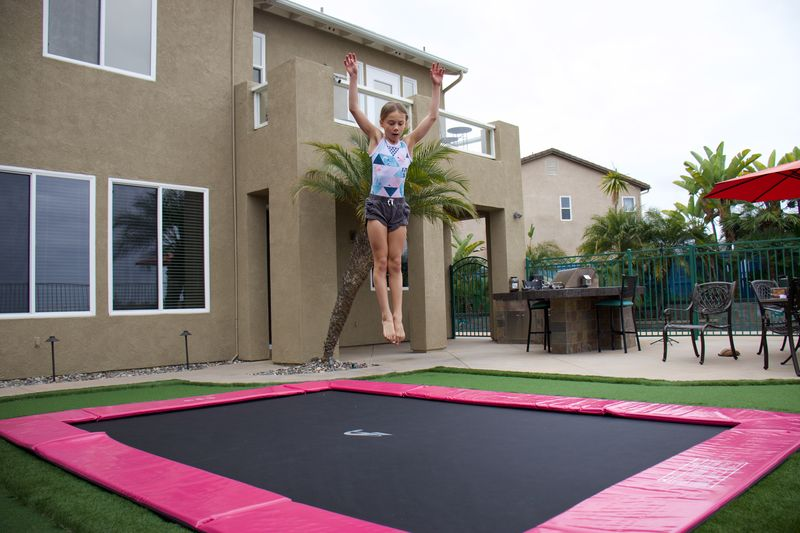
- Elevation starts with grounded strength: Dancers launch from controlled, conditioned force. That starts at ground level with focused muscle prep.
- Jump training requires targeted coordination: Powerful sautés and jetés rely on fast-twitch activation. Trampoline drills like plyometric lunges and relevé hops train those movements safely.
- Reduce joint strain while increasing bounce output: Trampolines build explosive power with far less stress on knees and ankles. This means more reps, more safely.
- Directional changes improve muscle control: Drills like mid-air pivots and bounce-based transitions sharpen spatial awareness. Control through transition is where grace meets athleticism.
- Control beats momentum on soft bounce surfaces: On a responsive mat, momentum works against you unless you’re in charge. That’s where strength, core discipline, and balance take over.
- Core and glute isolation builds refined power: Controlled bouncing with isometric holds or seated variations strengthens without adding unwanted bulk, ideal for dancers focused on lean precision.
- Stability training sharpens landing mechanics: Precision landings from small directional hops mimic the control needed in assemblés and arabesques, refining air-to-floor transitions.
- Trampolining supports repetition-based gains: Rather than lifting heavy, dancers build strength by repeating low-impact movements that target supporting muscle groups.
- Barre movements translate beautifully to bounce: Doing rond de jambes or dégagés on a trampoline adds dynamic responsiveness. You gain rhythm, flow, and reactive control.
- Bounce-integrated technique bridges classical and modern: Combining barre structure with rebounding creates a training style that supports classical form and enhances aerial agility.
Dancers Exploring Trampoline Training
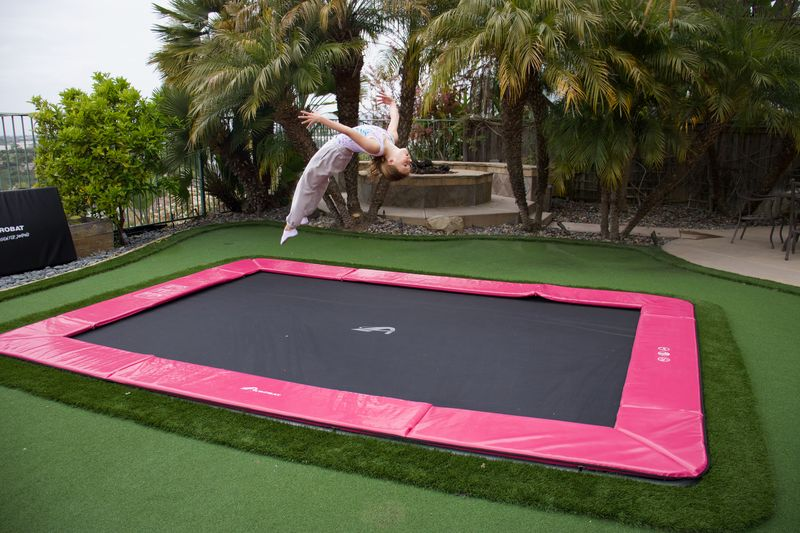
Trampoline training is a valuable complement to ballet, not a replacement. It helps dancers strengthen jump mechanics, refine landings, and build endurance safely. When integrated properly into a dancer’s regimen, it supports cleaner technique and faster recovery without compromising form.
And when paired with serious equipment, built for performance, not play, it becomes a long-term training partner. Choose trampolines that meet the standard your dancing deserves.
Unique Advantages of AkrobatUSA for Dancers
- Built for high-performance movement
- Softer bounce, stronger results
- Safe materials, daily durability
- Stability during technical sequences
- Endurance for demanding schedules
- Silent performance, focused training
At AkrobatUSA, we offer professional-grade trampolines manufactured by Akrobat.
Ready to Elevate Your Training? AkrobatUSA Is Built for Ballet
If you’re serious about using trampoline training to strengthen your ballet technique, protect your joints, and push your limits, you need more than a generic backyard bounce. You need a system designed for movement precision, repeatability, and safety. That’s where we come in.
- AkroVENT® mats for a 62.7% softer bounce that supports high-volume training while preserving joint integrity
- Reinforced, no-tip frames engineered to hold steady under directional drills and power work
- Ultra-durable build rated for over 2.5 million jumps, ideal for dancers conditioning multiple times a week
If your training matters, your equipment should reflect it. Let us help you bounce smarter, land safer, and train longer.
Explore AkrobatUSA’s collection and see what precision-built performance feels like.
